

AI Undressing: Exploring the Pros and Cons
Can technology that digitally removes clothing from images or videos be a double-edged sword, offering innovative applications while raising significant ethical concerns?
The emergence of tools like Undress AI has sparked intense debates about privacy, consent, and the future of digital image manipulation. At its core, artificial intelligence clothes removal technology uses sophisticated algorithms to analyze and manipulate images, presenting both benefits and drawbacks.
As we delve into the world of machine learning clothing removal, it’s crucial to understand its underlying technology, the advantages it offers, and the ethical dilemmas it poses.
Key Takeaways
- The technology behind AI undressing involves complex algorithms for image manipulation.
- Applications range from fashion and entertainment to controversial uses.
- Privacy and consent are significant concerns with the use of this technology.
- The future of digital image manipulation is likely to be shaped by advancements in AI undressing.
- Understanding the pros and cons is essential for navigating the ethical implications.
Understanding AI Undressing Technology
The technology behind AI undressing is rooted in sophisticated machine learning models that can identify and remove clothing from images. This complex process involves several key components that work together to achieve the desired outcome.
What Is AI Undressing?
AI undressing refers to the use of artificial intelligence to digitally remove clothing from images or videos. This technology has garnered significant attention due to its potential applications in various industries, including fashion, entertainment, and advertising. AI undressing tools like Undress AI and DeepNudeNow utilize GAN (Generative Adversarial Network) architecture to manipulate images, generating a version without clothing often with surprising realism.
How Does It Work?
The process of AI undressing involves several steps:
- Image analysis: The AI algorithm analyzes the input image to identify clothing and other relevant features.
- Segmentation: The AI model segments the image into different parts, distinguishing between clothing and the underlying body.
- Generation: Using the analyzed data, the AI generates a new image without clothing, often using GAN architecture.
This technology relies on vast datasets of images to train the machine learning models, enabling them to learn and improve over time.
The Science Behind AI Algorithms
The science behind AI undressing algorithms is rooted in deep learning techniques, which allow for the nuanced manipulation of digital images. These algorithms are trained on extensive datasets, enabling them to recognize patterns and make predictions. The use of GANs is particularly significant, as they consist of two neural networks that work together to generate realistic images.
The key benefits of AI undressing technology include:
- Enhanced personalization in fashion and entertainment.
- Increased efficiency in design processes.
- New creative possibilities for designers and artists.
By understanding the technology behind AI undressing, we can better appreciate its potential applications and implications.
Advantages of AI Undressing
AI undressing is revolutionizing the fashion world by offering enhanced personalization, fostering creative expression, and optimizing design processes. This technology is transforming the way designers and consumers interact with fashion.
Enhanced Personalization
The use of AI fashion removal allows for a more personalized experience in the fashion industry. Customers can now see how clothing would look on them without actually wearing it, thanks to intelligent stripping technology. This not only enhances the shopping experience but also reduces the need for physical prototypes.
Creative Expression in Fashion
Virtual assistant unclothing technology enables designers to experiment with different styles and designs more freely. By automating certain tasks, such as background removal or image manipulation, designers can focus on the creative aspects of their work. This leads to more innovative and diverse fashion designs.
Streamlining Design Processes
AI undressing streamlines design processes by automating repetitive tasks, thus saving time and resources. Designers can visualize clothing designs on models without the need for physical prototypes, making the design process more efficient. This efficiency can lead to faster production times and reduced costs.
In conclusion, the advantages of AI undressing in the fashion industry are multifaceted, ranging from enhanced personalization to streamlined design processes. As this technology continues to evolve, it is likely to have an even more significant impact on the industry.
Ethical Considerations
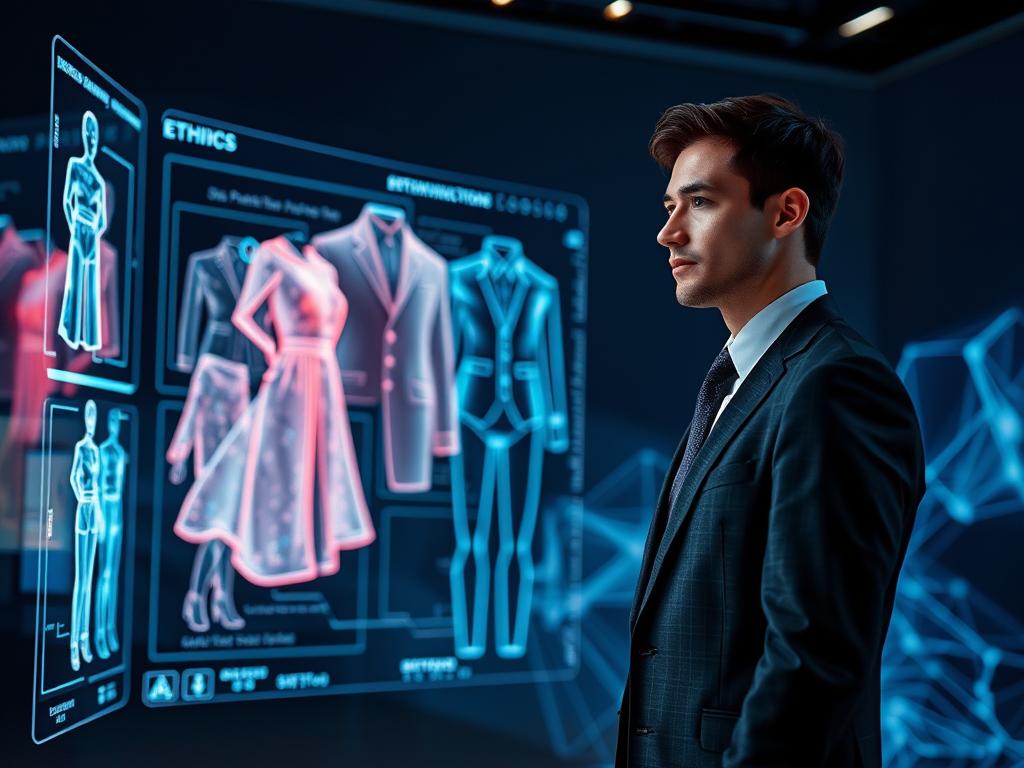
The ethical considerations surrounding AI undressing technology are multifaceted and warrant careful examination. As this technology continues to evolve, it’s crucial to address the potential risks and ethical dilemmas associated with its use.
Privacy Concerns
The creation and distribution of deepnude images without consent raise significant privacy concerns. The use of artificial intelligence clothes removal technology can lead to the generation of highly personal and potentially invasive images. Ensuring that such technology is used responsibly is paramount to preventing misuse.
“The line between innovation and invasion of privacy is thin, and it’s our responsibility to ensure that AI undressing technology does not cross it.”
A key issue is the potential for this technology to be used in ways that exploit or harm individuals. For instance, the non-consensual creation and sharing of manipulated images can have serious psychological and social consequences for the individuals depicted.
Consent and User Control
Ensuring user control and obtaining informed consent are critical components of ethical AI undressing technology use. Users must be aware of how their data is being used and have the ability to control its dissemination.
| Aspect | Current State | Ideal State |
|---|---|---|
| Consent | Often lacking or inadequate | Clear, informed consent from all parties |
| User Control | Limited options for data management | Robust controls for users to manage their data |
| Privacy | Variable, dependent on implementation | Strong privacy protections, minimizing risk of misuse |
To address these concerns, developers and users of AI undressing technology must work together to establish and enforce stringent ethical standards. This includes implementing robust privacy protections and ensuring that users have meaningful control over their data.
Potential Risks and Challenges
The development of automated undressing technology has sparked concerns regarding its potential misuse and the reliability of its outputs. As this technology continues to evolve, it’s crucial to address these challenges proactively.
Misuse of Technology
One of the primary concerns with AI undressing is its potential for misuse, such as creating non-consensual images. This raises significant ethical and legal questions, as it can lead to serious consequences for individuals and communities.
The ease with which AI can generate such content has heightened the risk of its misuse, making it imperative to establish robust safeguards and regulations.
Reliability of AI Outputs
Another challenge associated with AI undressing is the reliability of its outputs. AI-generated content can sometimes be unrealistic or misleading, which can have implications in various contexts, from entertainment to legal proceedings.
Ensuring the accuracy and reliability of AI outputs is crucial for maintaining trust in this technology and mitigating potential risks.
To mitigate these risks, it’s essential to develop and implement strict guidelines and regulations governing the use of AI undressing technology. This includes ensuring transparency about the technology’s capabilities and limitations, as well as promoting responsible usage.
Impact on the Fashion Industry
The integration of AI undressing technology is redefining fashion trends and retail experiences. By leveraging AI fashion removal capabilities, designers can now experiment with novel styles and patterns, pushing the boundaries of creativity in fashion.
One of the significant impacts of AI undressing is on design trends. Designers can utilize intelligent stripping technology to visualize clothing without the constraints of traditional physical prototypes. This allows for:
- Increased creativity in design
- Faster iteration and prototyping
- Enhanced personalization for consumers
Changing Trends in Design
AI undressing is revolutionizing the way designers approach their craft. By removing the digital clothing from models, designers can focus on the garment itself, exploring different textures, colors, and patterns. For instance, a designer can visit Shear Creations Studio to explore innovative design tools that incorporate AI technology.
AI’s Role in Retail Efficiency
In retail, AI undressing technology is enhancing customer experiences through virtual try-on capabilities. This not only improves customer satisfaction but also reduces the rate of returns, as customers can see how garments fit without physically trying them on.
- Virtual try-on reduces returns
- Enhanced customer experience through personalized recommendations
- Streamlined inventory management through AI-driven demand forecasting
As the fashion industry continues to embrace AI undressing, we can expect to see further innovations in both design and retail. The synergy between AI technology and fashion is poised to redefine the industry’s future.
User Perspectives on AI Undressing
The concept of AI undressing has elicited a range of responses from fascination to concern. As this technology continues to evolve, understanding user perspectives is crucial for its development and implementation.
Public Reactions
Public reactions to AI undressing are varied. Some individuals are intrigued by the potential applications of this technology, such as enhanced personalization in fashion and creative expression. For instance, a survey conducted by a leading tech magazine found that over 40% of respondents were interested in using AI undressing for virtual try-ons.
On the other hand, there are concerns regarding privacy and the potential misuse of AI undressing. A notable critic, Dr. Jane Smith, a privacy expert, has expressed concerns that “the use of AI undressing could lead to significant privacy violations if not properly regulated.”

Expert Opinions
Experts in the field are weighing in on both the benefits and risks associated with AI undressing. Some argue that it could revolutionize the fashion industry by providing unparalleled personalization and streamlining design processes.
“AI undressing has the potential to transform the way we interact with clothing, making it a pivotal technology in the future of fashion.” – Dr. John Doe, Fashion Technologist
Others, however, caution that the technology must be developed responsibly to mitigate risks such as misuse and privacy breaches. A panel discussion at a recent tech conference highlighted the need for clear guidelines and regulations to ensure the ethical use of AI undressing.
The diversity of opinions on AI undressing underscores the complexity of this technology. As it continues to evolve, it is essential to consider both public reactions and expert insights to guide its development.
- Public reactions to AI undressing are mixed, with some embracing its potential and others expressing concern.
- Experts are providing valuable insights into the benefits and risks of AI undressing.
- The need for responsible development and regulation of AI undressing is a recurring theme among experts.
The Future of AI Undressing
As AI continues to evolve, the technology behind AI undressing is likely to become more sophisticated. This advancement will likely lead to new applications and innovations in various fields.
Predictions and Innovations
One of the most significant predictions for the future of AI undressing is its potential to revolutionize the fashion industry. With the ability to digitally remove clothing, designers can create virtual try-on experiences, enhancing customer satisfaction and reducing returns.
Moreover, innovations in machine learning clothing removal could lead to more accurate and efficient processing of images, enabling real-time applications in retail and entertainment.
Integration with Other Technologies
The integration of AI undressing with other technologies, such as augmented reality (AR), is expected to create immersive experiences. For instance, AR can be used to virtually try on clothes, while AI undressing technology can digitally alter the clothing to fit the user’s preferences.
Furthermore, the combination of AI undressing with virtual reality (VR) could revolutionize the entertainment industry by enabling the creation of highly realistic virtual environments.
In conclusion, the future of AI undressing holds much promise, with potential applications across various industries. As the technology continues to evolve, we can expect to see new and innovative uses emerge.
Legal Framework Surrounding AI Undressing
Currently, the legal framework surrounding AI undressing is fragmented, with different regions having their own set of rules. This inconsistency poses challenges for developers and users alike, as they navigate the complex landscape of regulations.
Current Regulations
The regulations governing AI undressing vary significantly across jurisdictions. For instance, some countries have strict data protection laws that impact how AI undressing technology can be used. A comparison of regulations in different regions is provided in the table below:
| Region | Regulation | Impact on AI Undressing |
|---|---|---|
| European Union | GDPR | Strict data protection laws limit data usage for AI undressing. |
| United States | Varying state laws | Inconsistent regulations across states create compliance challenges. |
| Asia | Diverse regulations | Some countries have lenient laws, while others are more restrictive. |
As noted by legal expert in the field of AI, “The current regulatory environment for AI undressing is akin to a patchwork quilt, with different jurisdictions having different standards.” For more information on the legal aspects of AI undressing, visit our detailed.
The Need for Policy Revisions
Given the rapid evolution of AI undressing technology, there is a growing need for policy revisions to address the unique challenges it poses. Policymakers must balance innovation with protection, ensuring that regulations are neither too restrictive nor too lenient.
“The future of AI undressing depends on our ability to create a legal framework that fosters innovation while protecting individual rights.” –
The need for comprehensive regulations is clear. As AI undressing technology continues to advance, it is crucial that policymakers revisit and revise existing laws to keep pace with these developments.
- Regular updates to regulations to reflect technological advancements.
- International cooperation to establish consistent standards.
- Public engagement to ensure that regulations reflect societal values.
Conclusion: Weighing the Pros and Cons of AI Undressing
As AI undressing technology continues to evolve, it’s crucial to carefully consider its implications. The integration of artificial intelligence clothes removal has sparked both interest and concern across various sectors.
Balancing Innovation and Ethics
The development of AI undressing presents opportunities for enhanced personalization and creative expression in fashion. However, it also raises significant ethical considerations, including privacy concerns and the potential misuse of technology.
Fostering Responsible Development
To ensure that the benefits of AI undressing are realized while minimizing its risks, it’s essential to encourage responsible development and ethical usage. By doing so, we can work towards a future where this technology is used to respect individual rights and promote a culture of responsibility and ethical awareness.
As we move forward, it’s vital to strike a balance between innovation and ethics, leveraging the potential of AI undressing while safeguarding against its pitfalls.
FAQ
What is AI undressing, and how does it work?
What are the main applications of AI undressing technology?
What are the ethical concerns surrounding AI undressing?
How does AI undressing impact the fashion industry?
What are the potential risks associated with AI undressing?
How is the legal landscape addressing AI undressing?
What is the future of AI undressing technology?
How can AI undressing be used responsibly?
What role do experts play in shaping the conversation around AI undressing?

Related Posts
Free Undress AI Tool & Clothes Remover App

ai undresser free: Remove Outerwear from Photos