

Undress AI Tools: Revolutionize Your Workflow
Imagine having the ability to streamline your workflow with cutting-edge technology. Undress AI tools are revolutionizing industries, particularly in fashion and content creation, by providing innovative solutions to complex tasks.
With the rise of tools like MimicPC AI Undresser, known for its realism and ease of use, professionals can now achieve high-quality results with greater efficiency. These advancements are transforming the way businesses operate, making it easier to manage workflows and improve productivity.
Key Takeaways
- Undress AI tools are simplifying complex tasks in various industries.
- These tools offer innovative solutions for fashion and content creation.
- MimicPC AI Undresser is a top tool known for its realism and ease of use.
- Advanced technology is transforming workflows and improving productivity.
- Businesses can achieve high-quality results with greater efficiency.
The Evolution of Fashion Technology
The intersection of fashion and technology has given rise to innovative solutions that are changing the industry. As we explore this evolution, it’s crucial to understand the challenges that traditional fashion workflows faced and how AI has revolutionized the landscape.
Traditional Fashion Workflow Challenges
Traditional fashion workflows have long been plagued by inefficiencies, from manual design processes to labor-intensive production methods. The industry has struggled with issues such as sizing inconsistencies, lengthy production cycles, and the inability to accurately predict trends. As one expert noted, “The traditional fashion industry is often characterized by a lack of agility and responsiveness to changing consumer demands.”
“The traditional fashion industry is often characterized by a lack of agility and responsiveness to changing consumer demands.”
The AI Revolution in Fashion
Artificial intelligence has brought about a paradigm shift in the fashion industry, addressing many of the challenges associated with traditional workflows. AI technologies, particularly machine learning and computer vision, have enabled brands to streamline their operations, enhance customer experiences, and drive innovation.
Machine Learning Applications
Machine learning algorithms are being used to analyze vast amounts of data, from consumer preferences to market trends, allowing brands to make informed decisions. This technology is also being applied in areas such as AI clothing removal, enabling the creation of virtual try-on experiences and personalized product recommendations.
Computer vision technology has made significant strides in the fashion industry, enabling applications such as automated fabric inspection, virtual styling, and enhanced visual merchandising. These breakthroughs are not only improving operational efficiency but also elevating the overall customer experience.
As the fashion industry continues to embrace AI and related technologies, we can expect to see even more innovative applications emerge, further transforming the landscape of fashion technology.
Understanding Undress AI Tools
The emergence of Undress AI tools marks a new era in fashion technology, enhancing workflow efficiency. These innovative solutions are designed to digitally remove clothing from images, creating realistic representations. This technology is not only groundbreaking but also opens up new avenues for the fashion industry.
Definition and Core Functionality
Undress AI tools utilize advanced AI algorithms to analyze and manipulate images. At their core, these tools are designed to understand the context of an image and apply changes accordingly. The primary function is to remove clothing from images, creating a new, altered version of the original picture.
Key Features:
- Advanced image recognition capabilities
- Generative models for realistic image manipulation
- User-friendly interfaces for easy operation
Key Technologies Powering These Solutions
The effectiveness of Undress AI tools is largely due to the sophisticated technologies they employ. Two of the most significant technologies are Image Recognition Systems and Generative Adversarial Networks (GANs).
Image Recognition Systems
These systems enable the AI to identify and understand the elements within an image. This is crucial for accurately removing clothing and maintaining the image’s integrity.
Generative Adversarial Networks
GANs play a vital role in generating the altered images. They consist of two neural networks that work together to produce highly realistic images. One network generates images, while the other evaluates them, ensuring the output is convincing and of high quality.
For instance, a study on AI in fashion highlighted the potential of GANs in creating realistic fashion images. “GANs have revolutionized the field of image generation, offering unprecedented levels of realism and diversity.” This underscores the significance of GANs in Undress AI tools.
“The use of GANs in Undress AI tools represents a significant leap forward in image manipulation technology, offering unparalleled realism and quality.”
How They Transform Traditional Workflows
Undress AI tools are transforming traditional fashion workflows by providing innovative solutions for image manipulation. They enable designers and brands to experiment with new ideas and visualize products in a more efficient manner.
Visit Shear Creations Studio for more insights on how AI is revolutionizing fashion workflows.
| Traditional Workflow | Undress AI Tool Enhanced Workflow |
|---|---|
| Manual image editing | Automated image manipulation |
| Time-consuming | Highly efficient |
| Limited creativity | Enhanced creative possibilities |
Types of Undress AI Tools for Different Workflows
Undress AI tools are revolutionizing the fashion industry by providing innovative solutions for diverse workflows. These tools are designed to streamline processes, enhance customer experiences, and drive business efficiency.
Virtual Try-On Technology
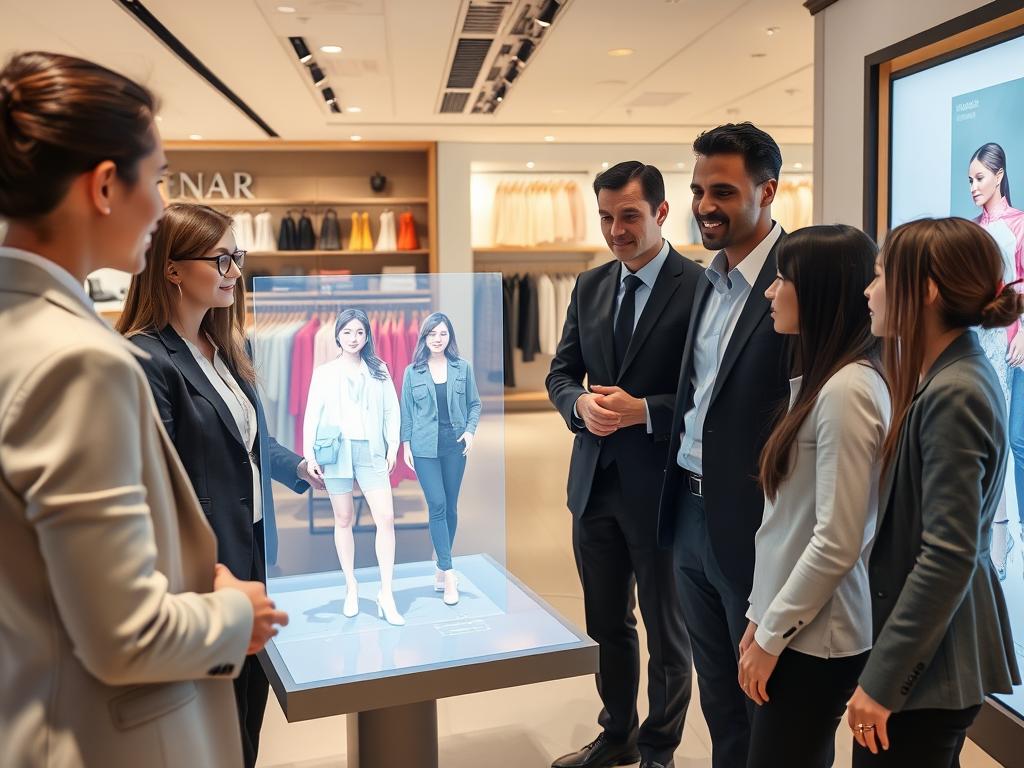
Virtual try-on technology is one of the most popular undress AI tools, allowing customers to see how clothing items fit without physically trying them on. This technology relies on advanced 3D modeling capabilities to create accurate representations of garments.
3D Modeling Capabilities
The 3D modeling capabilities of virtual try-on technology enable the creation of detailed, lifelike models of clothing items. This allows for a more immersive and engaging customer experience.
Real-Time Visualization
Real-time visualization is another key feature of virtual try-on technology, enabling customers to see how clothing items fit in real-time. This feature is particularly useful for e-commerce platforms, as it helps reduce returns and increases customer satisfaction.
Digital Wardrobe Assistants
Digital wardrobe assistants are another type of undress AI tool that helps users manage their clothing collections more effectively. These assistants can suggest outfit combinations, provide styling advice, and even help users keep track of their clothing items.
Clothing Recognition Software
Clothing recognition software is a powerful undress AI tool that can identify clothing items in images or videos. This technology has numerous applications, from fashion e-commerce to social media platforms.
Automated Fashion Analysis Tools
Automated fashion analysis tools use AI to analyze fashion trends, predict future trends, and provide insights into consumer behavior. These tools are invaluable for fashion brands looking to stay ahead of the curve.
In conclusion, the variety of undress AI tools available today offers something for every workflow in the fashion industry. By leveraging these tools, businesses can improve efficiency, enhance customer experiences, and drive growth.
Implementing AI Styling Solutions in Your Business
As businesses look to revolutionize their fashion workflows, implementing AI styling solutions becomes a critical step towards innovation. The fashion industry is on the cusp of a technological revolution, with AI and machine learning leading the charge.
Assessing Your Current Workflow
Before integrating AI styling solutions, it’s crucial to assess your current workflow. Identify bottlenecks and areas where manual processes are slowing you down. This could include tasks such as image processing, trend analysis, or inventory management.
Selecting the Right AI Tools
With a clear understanding of your workflow, you can begin selecting the right AI tools for your business. Consider solutions that offer AI image processing capabilities to enhance your visual content or automated fashion analysis to gain insights into trends and consumer behavior.
Integration Strategies
Effective integration is key to maximizing the benefits of AI styling solutions. Two primary strategies include:
- API Connections: Utilize APIs to connect your existing systems with AI-powered tools, enabling seamless data exchange and functionality.
- Custom Development Options: For more tailored solutions, consider custom development that aligns with your specific business needs.
API Connections
API connections allow for the integration of AI styling solutions with your existing infrastructure, enhancing functionality without requiring a complete overhaul.
Custom Development Options
For businesses with unique needs, custom development offers the flexibility to create AI-driven features that perfectly align with your operational requirements.
Training Your Team
Finally, it’s essential to train your team on the new AI styling solutions. This includes understanding how to use the tools effectively and interpreting the data they provide. With automated fashion analysis, for instance, your team can make data-driven decisions to drive business growth.
By following these steps and leveraging AI styling solutions, businesses can significantly enhance their operations, improve efficiency, and stay ahead in the competitive fashion landscape.
Virtual Fitting Room Technology: A Game-Changer
With the integration of AI in virtual fitting rooms, the retail landscape is witnessing a significant transformation. Virtual fitting room technology is emerging as a crucial tool in the fashion industry, revolutionizing the way customers interact with products.
How Virtual Fitting Rooms Work
Virtual fitting rooms utilize advanced AI algorithms to create a digital environment where customers can try on clothes virtually. This technology uses 3D body scanning and AI-driven image processing to provide a realistic representation of how garments fit.
The process typically involves customers either uploading a photo of themselves or using a webcam to capture their body measurements. The AI system then superimposes the selected garment onto the customer’s digital avatar, allowing them to see how it fits without physically trying it on.
AI Image Processing Techniques
The core of virtual fitting room technology lies in its sophisticated AI image processing capabilities. These include:
- Advanced pattern recognition to accurately map garments onto the customer’s digital representation.
- Real-time rendering to ensure a seamless and interactive experience.
- Machine learning algorithms that continuously improve the accuracy of fit predictions based on user feedback.
Customer Experience Benefits
Virtual fitting rooms offer numerous benefits to customers, including:
| Benefit | Description |
|---|---|
| Convenience | Try on multiple outfits without the need to physically change clothes. |
| Personalization | Receive tailored recommendations based on your body type and preferences. |
| Reduced Returns | Minimize the likelihood of returns by ensuring a better fit. |
Business Efficiency Improvements
For businesses, virtual fitting rooms can lead to significant efficiency improvements, including reduced operational costs associated with physical fitting rooms and increased customer satisfaction. This technology also enables retailers to gather valuable data on customer preferences and fit requirements, informing future product development and marketing strategies.
As virtual fitting room technology continues to evolve, it is poised to become an indispensable tool in the retail industry, enhancing both customer experience and business efficiency.
Artificial Intelligence Fashion Analysis
Artificial intelligence is revolutionizing the fashion industry through advanced analysis capabilities. By leveraging AI, fashion businesses can gain valuable insights into consumer behavior, market trends, and product performance.

Trend Prediction Capabilities
One of the most significant advantages of AI in fashion analysis is its ability to predict trends. By analyzing vast amounts of data from various sources, including social media, runway shows, and sales data, AI algorithms can identify emerging trends and forecast future demand.
“AI-driven trend prediction is like having a crystal ball for the fashion industry,” says a leading fashion analyst. This capability allows businesses to make informed decisions about production, inventory, and marketing strategies.
Style Recommendation Engines
AI-powered style recommendation engines are transforming the way consumers interact with fashion brands. These engines analyze customer data, including purchase history and browsing behavior, to provide personalized style recommendations.
- Personalized product suggestions
- Enhanced customer experience
- Increased sales through targeted recommendations
Color and Pattern Analysis
AI-driven color and pattern analysis tools enable designers and retailers to analyze and predict the most popular colors and patterns for upcoming seasons. This information is invaluable for product development and marketing campaigns.
Inventory Optimization
AI can also optimize inventory management by analyzing sales data, seasonal trends, and other factors to predict demand and adjust stock levels accordingly. This helps reduce waste, minimize overstock, and ensure that popular items are always available.
As Forbes notes, “AI is helping fashion retailers optimize their inventory, reduce costs, and improve customer satisfaction.”
By embracing AI-driven fashion analysis, businesses can stay ahead of the competition, improve operational efficiency, and deliver enhanced customer experiences.
Real-World Success Stories and Case Studies
Real-world applications of undress AI tools have demonstrated their potential to enhance operational efficiency and customer experience in the fashion industry. Businesses across various sectors are leveraging these technologies to drive innovation and improve their bottom line.
Retail Industry Transformations
The retail industry has seen significant transformations with the adoption of undress AI tools. Major brands have implemented these technologies to revolutionize their operations.
Major Brand Implementations
Several leading fashion retailers have successfully integrated undress AI tools into their workflows. For instance, Zara has used AI clothing removal technology to enhance their virtual try-on capabilities, while H&M has implemented AI-driven styling solutions to personalize customer experiences.
ROI and Performance Metrics
The impact of undress AI tools on retail businesses can be seen in the following table, which highlights key performance metrics for some major brands:
| Brand | Implementation | ROI | Customer Engagement |
|---|---|---|---|
| Zara | Virtual Try-On | 25% increase | 30% increase |
| H&M | AI Styling | 20% increase | 25% increase |
| Nike | AI Clothing Removal | 30% increase | 40% increase |
Fashion Design Workflow Improvements
Undress AI tools have also streamlined fashion design workflows, enabling designers to work more efficiently and creatively. By automating tasks such as fabric selection and pattern making, designers can focus on high-level creative decisions.
E-commerce Conversion Rate Boosts
E-commerce businesses have seen significant boosts in conversion rates thanks to the implementation of undress AI tools. By enhancing product visualization and personalizing customer experiences, these technologies have driven sales and revenue growth.
For example, an e-commerce platform that integrated undress AI tools saw a 35% increase in conversion rates and a significant improvement in customer satisfaction.
Ethical Considerations and Best Practices
As we increasingly integrate undress AI tools into our workflows, it’s crucial to address the ethical considerations that come with these technologies. The use of digital wardrobe assistants and clothing recognition software, while innovative, raises important ethical questions that must be carefully examined.
Data Privacy and Security
One of the primary ethical concerns is data privacy and security. Undress AI tools often require access to sensitive customer data, including images and personal information. Ensuring that this data is protected and handled in compliance with regulations like GDPR is paramount.
Consent and Transparency
Consent and transparency are also critical. Customers must be informed about how their data is being used and must give their consent. Transparency about the use of AI and how it influences the customer experience is essential for building trust.
Avoiding Bias in AI Fashion Tools
Another significant ethical consideration is avoiding bias in AI fashion tools. AI systems can perpetuate existing biases if they are trained on biased data sets. It’s crucial to ensure that the data used to train these systems is diverse and representative.
Responsible Implementation Guidelines
Finally, responsible implementation guidelines must be established. This includes regular audits of AI systems, ongoing training for staff, and a clear understanding of the limitations of these technologies.
By addressing these ethical considerations and implementing best practices, businesses can ensure that they are using undress AI tools responsibly and ethically, ultimately enhancing their workflows and customer experiences.
Conclusion
Undress AI tools are revolutionizing various industries by streamlining workflows and enhancing productivity. The integration of AI image processing technology has been a game-changer, enabling businesses to automate tasks, improve accuracy, and reduce costs.
As we’ve explored throughout this article, these tools have far-reaching applications across the fashion, retail, and e-commerce sectors. By leveraging AI-driven solutions, companies can gain a competitive edge, drive innovation, and deliver enhanced customer experiences.
As we move forward, it’s essential to prioritize ethical considerations, ensuring that these technologies are developed and implemented responsibly. By doing so, we can unlock the full potential of undress AI tools and create a more efficient, sustainable, and equitable future for industries worldwide.
FAQ
What are undress AI tools, and how do they work?
How do virtual try-on technologies enhance the shopping experience?
What is the role of AI in fashion analysis?
How can businesses implement AI styling solutions effectively?
What are the ethical considerations when using undress AI tools?
Can AI image processing techniques improve virtual fitting room technology?
What are the benefits of using digital wardrobe assistants?
How do clothing recognition software and automated fashion analysis tools work together?

Related Posts
Free Undress AI Tool & Clothes Remover App

ai undresser free: Remove Outerwear from Photos