

Undressing AI: A Comparison of the Latest Advancements
Can artificial intelligence truly revolutionize the way we interact with technology? The latest advancements in AI technology have sparked intense interest and debate.
The concept of “undressing AI” has emerged as a fascinating area of study, delving into the intricacies of machine learning and its applications. As we explore the latest developments in this field, it becomes clear that the comparisons between different approaches are crucial to understanding their potential impact.
Key Takeaways
- The role of artificial intelligence in shaping the future of technology.
- An overview of the latest advancements in AI technology.
- The significance of comparing different approaches in undressing AI.
- The potential applications of machine learning in various industries.
- The importance of understanding the intricacies of AI for future development.
Understanding Undressing AI Technology
Understanding undressing AI technology requires delving into its core components and functionalities. At its heart, undressing AI is an advanced application of artificial intelligence that manipulates digital images.
This technology has garnered significant attention due to its potential applications in various industries, from fashion to entertainment. To grasp how undressing AI works, it’s essential to explore its definition, operational mechanics, and the key technologies involved.
What is Undressing AI?
Undressing AI refers to a sophisticated digital assistant that utilizes natural language processing and computer vision to alter images by removing clothing or other elements. This is achieved through complex algorithms that can identify and manipulate specific parts of an image.
How Does It Work?
The functioning of undressing AI is rooted in automation and machine learning. It employs specialized neural networks, particularly Generative Adversarial Networks (GANs) and image-to-image translation models, to process and modify images.
These models work by learning from vast datasets of images, enabling the AI to generate realistic modifications. The process involves training the AI on a wide range of scenarios, allowing it to adapt and improve its image manipulation capabilities.
Key Technologies Involved
The key to undressing AI’s functionality lies in its use of advanced technologies. GANs and image-to-image translation models are at the forefront, facilitating the complex image manipulations that characterize this technology.
| Technology | Description | Application in Undressing AI |
|---|---|---|
| GANs | Generative Adversarial Networks | Used for generating realistic images |
| Image-to-Image Translation | Models that translate one image into another | Enables the removal or alteration of clothing in images |
| Natural Language Processing | Technology that enables computers to understand human language | Used for user interface and command processing |
By combining these technologies, undressing AI can achieve sophisticated image manipulations, opening up new possibilities in fields such as fashion, entertainment, and beyond.
The Evolution of AI in Fashion
The evolution of AI in fashion is a story of gradual innovation, marked by key milestones. As we explore this journey, it becomes clear that AI has not only transformed the industry but also redefined consumer experiences.
Historical Context
The use of technology in fashion dates back several decades, but the integration of AI marked a significant turning point. Early applications of AI were primarily focused on improving operational efficiencies, such as supply chain management and inventory control.
As AI technology advanced, its applications in fashion expanded to include personalization and customer service enhancements. Brands began to leverage AI for creating tailored experiences, predicting trends, and improving customer engagement.
Milestones in AI Development
Several milestones have marked the development of AI in fashion. One of the earliest was the introduction of computer-aided design (CAD) systems, which revolutionized the design process.
The advent of machine learning further accelerated AI’s impact, enabling brands to analyze vast amounts of data to predict consumer behavior and preferences. This led to the development of smart technology in fashion, such as virtual try-on and personalized recommendations.
“The future of fashion lies in its ability to blend technology with creativity, and AI is at the forefront of this revolution.” –
The integration of AI has also led to the creation of virtual styling assistants and enhanced retail experiences, transforming how consumers interact with fashion brands.
- Virtual try-on capabilities
- Personalized product recommendations
- Enhanced customer service through AI chatbots
As AI continues to evolve, we can expect even more innovative applications in the fashion industry, further enhancing the consumer experience and driving industry growth.
Current Applications of Undressing AI
The current applications of Undressing AI are redefining the retail experience, making it more personalized and engaging. This technology is being utilized in various innovative ways to enhance customer interactions and streamline retail processes.
Virtual Fitting Rooms
One of the most significant applications of Undressing AI is in virtual fitting rooms. This technology allows customers to try on clothes virtually, reducing the need for physical try-ons and enhancing the overall shopping experience. Virtual fitting rooms are becoming increasingly popular as they offer a convenient and contactless way to shop.
Personal Styling Assistants
Undressing AI is also being used to power personal styling assistants. These digital assistants use AI algorithms to recommend clothing items based on a customer’s preferences, size, and previous purchases. This personalized approach helps in increasing customer satisfaction and loyalty.
| Feature | Traditional Styling | AI-Powered Styling |
|---|---|---|
| Personalization | Limited | High |
| Recommendation Basis | General Trends | Customer Data |
| Customer Engagement | Low | High |
Enhanced Retail Experiences
The integration of Undressing AI in retail environments is leading to enhanced retail experiences. By leveraging automation and AI-driven insights, retailers can offer more tailored services, improve inventory management, and create immersive shopping experiences. This not only boosts customer engagement but also drives sales and loyalty.
As Undressing AI continues to evolve, we can expect to see even more innovative applications in the retail sector, further transforming the way we shop and interact with fashion brands.
Ethical Considerations in Undressing AI
The use of undressing AI technology has brought to the forefront several ethical considerations that must be examined. As this technology advances, it is crucial to address the potential risks and consequences associated with its development and use.
Privacy Concerns
One of the primary ethical concerns surrounding undressing AI is privacy. The technology’s ability to manipulate images raises questions about consent and data protection. Users may unknowingly be sharing sensitive information, which could be compromised if the data falls into the wrong hands.
To mitigate these risks, developers must implement robust data security measures and ensure transparency about how user data is being used. This includes providing clear guidelines on data storage, processing, and sharing practices.
For more information on the ethical concerns related to undressing AI, you can visit this resource that delves into the technology’s uses and ethical implications.
Consent and User Awareness
Another critical ethical consideration is ensuring that users are fully aware of how undressing AI technology works and the potential implications of its use. This involves providing clear information about the technology’s capabilities and limitations.
Users must be given the opportunity to make informed decisions about their use of undressing AI, including understanding the potential risks and benefits. This can be achieved through user-friendly interfaces that clearly communicate the terms of use and the potential consequences of using the technology.
Moreover, developers should prioritize user consent, ensuring that individuals understand and agree to the terms of service before using the technology. This includes being transparent about how user data will be used and providing options for users to control their data.
Comparing Leading Undressing AI Software
Several leading undressing AI software solutions have gained prominence, each with unique features and user experiences. This section will compare these software solutions, providing an overview of their feature sets and analyzing the user experience they offer.
Feature Set Overview
The feature sets of leading undressing AI software vary significantly, reflecting their different approaches to utilizing machine learning and smart technology. Some software focuses on advanced image processing, while others emphasize personalized styling advice.
For instance, software like DeepFashion uses sophisticated algorithms to analyze clothing items and suggest styling options based on the latest fashion trends. On the other hand, AI Stylist focuses on creating virtual fitting rooms that allow users to see how clothes would fit without actually wearing them.
| Software | Key Features | User Experience |
|---|---|---|
| DeepFashion | Advanced image processing, personalized styling advice | Highly interactive, user-friendly interface |
| AI Stylist | Virtual fitting rooms, real-time styling suggestions | Immersive experience, easy to navigate |
| StyleGenie | AI-driven fashion recommendations, wardrobe analysis | Personalized recommendations, simple and intuitive |
User Experience Analysis
The user experience offered by these software solutions is a critical factor in their adoption and success. AI Stylist, for example, provides an immersive experience with its virtual fitting rooms, making it a favorite among users who value convenience and interactivity.
In contrast, DeepFashion excels in providing highly personalized styling advice, leveraging undressing AI to understand user preferences and suggest relevant fashion items.
When comparing these software solutions, it becomes clear that while they share some similarities, their differences in feature sets and user experiences are significant. The choice between them will depend on the specific needs and preferences of the user.
The Role of Machine Learning in Undressing AI
At the heart of undressing AI lies machine learning, which enables the technology to learn and improve continuously. Machine learning is a subset of artificial intelligence that involves training algorithms on data to make predictions or decisions without being explicitly programmed.
The effectiveness of undressing AI is largely dependent on the quality of its machine learning models. These models are trained on vast datasets of images to learn patterns and features that are essential for image manipulation tasks.
Basics of Machine Learning
Machine learning basics include supervised and unsupervised learning. Supervised learning involves training a model on labeled data, whereas unsupervised learning involves training on unlabeled data to discover hidden patterns. Recent advances in machine learning have significantly improved the capabilities of undressing AI.
In the context of undressing AI, supervised learning is predominantly used, where the model is trained on a dataset of images with known outputs to learn the mapping between input images and their corresponding outputs.
Advances in Algorithms
Advances in machine learning algorithms have been instrumental in enhancing the capabilities of undressing AI. Techniques such as deep learning, particularly convolutional neural networks (CNNs), have shown remarkable success in image processing tasks.
CNNs are capable of capturing complex features in images, making them ideal for tasks that require detailed image manipulation, such as those performed by undressing AI.

The integration of natural language processing (NLP) with machine learning has also opened new avenues for undressing AI, enabling more sophisticated interactions between users and the technology.
As machine learning continues to evolve, we can expect undressing AI to become even more sophisticated, with improved accuracy and functionality.
How Undressing AI Impacts Consumer Behavior
With the integration of undressing AI, consumer behavior is undergoing a significant shift, driven by enhanced personalization. This technology is not only changing how consumers interact with brands but also influencing their shopping habits in profound ways.
Changes in Shopping Habits
The advent of undressing AI has led to a more personalized shopping experience. Consumers are now able to:
- Virtually try on clothes, reducing the need for physical store visits.
- Receive tailored recommendations based on their preferences and shopping history.
- Enjoy a more streamlined shopping process, thanks to digital assistants that guide them through their purchasing journey.
This level of automation and personal touch is revolutionizing the retail landscape, making it more consumer-centric.
Personalization and its Appeal
The appeal of undressing AI lies in its ability to offer highly personalized experiences. By analyzing consumer data, undressing AI can:
- Predict consumer preferences with a high degree of accuracy.
- Provide customized product suggestions that match individual tastes.
- Enhance customer satisfaction through tailored interactions.
As a result, consumers are more engaged and loyal to brands that offer such personalized experiences. The use of digital assistants further enhances this engagement by providing a seamless and intuitive shopping experience.
In conclusion, undressing AI is significantly impacting consumer behavior by changing shopping habits and offering personalized experiences. As this technology continues to evolve, its influence on the retail industry is expected to grow, making personalization and automation key drivers of consumer engagement.
Challenges Facing Undressing AI Developers
Despite its potential, undressing AI development is fraught with challenges. As this technology continues to evolve, developers must navigate a complex landscape of technical and regulatory issues.
Technical Barriers
The development of undressing AI is heavily reliant on artificial intelligence and smart technology. One of the primary technical barriers is the need for sophisticated algorithms that can accurately interpret and process visual data. This requires significant advancements in natural language processing and computer vision.
Moreover, the complexity of human anatomy and the vast variability in clothing styles and designs pose substantial technical challenges. Developers must create systems that can handle these variations with high precision, which demands large datasets for training and validation.
“The integration of AI in fashion is not just about technology; it’s about understanding human behavior and preferences.”
Another technical hurdle is ensuring the privacy and security of user data. Undressing AI applications often require access to personal images or videos, raising concerns about data protection and misuse.
Regulatory Hurdles
In addition to technical barriers, undressing AI developers face significant regulatory hurdles. The use of AI in applications that process personal and sensitive information is subject to stringent data protection regulations, such as GDPR in Europe and CCPA in California.
Compliance with these regulations requires developers to implement robust data protection measures and ensure transparency in how user data is processed. Furthermore, the ethical implications of undressing AI, including issues of consent and potential misuse, must be addressed through appropriate regulatory frameworks.
- Ensuring compliance with international data protection regulations
- Addressing ethical concerns through transparent practices
- Navigating the legal landscape regarding AI-generated content
As undressing AI continues to evolve, it is crucial for developers to stay abreast of regulatory changes and adapt their technologies accordingly. This not only ensures legal compliance but also fosters trust among users.
Looking Ahead: The Future of Undressing AI
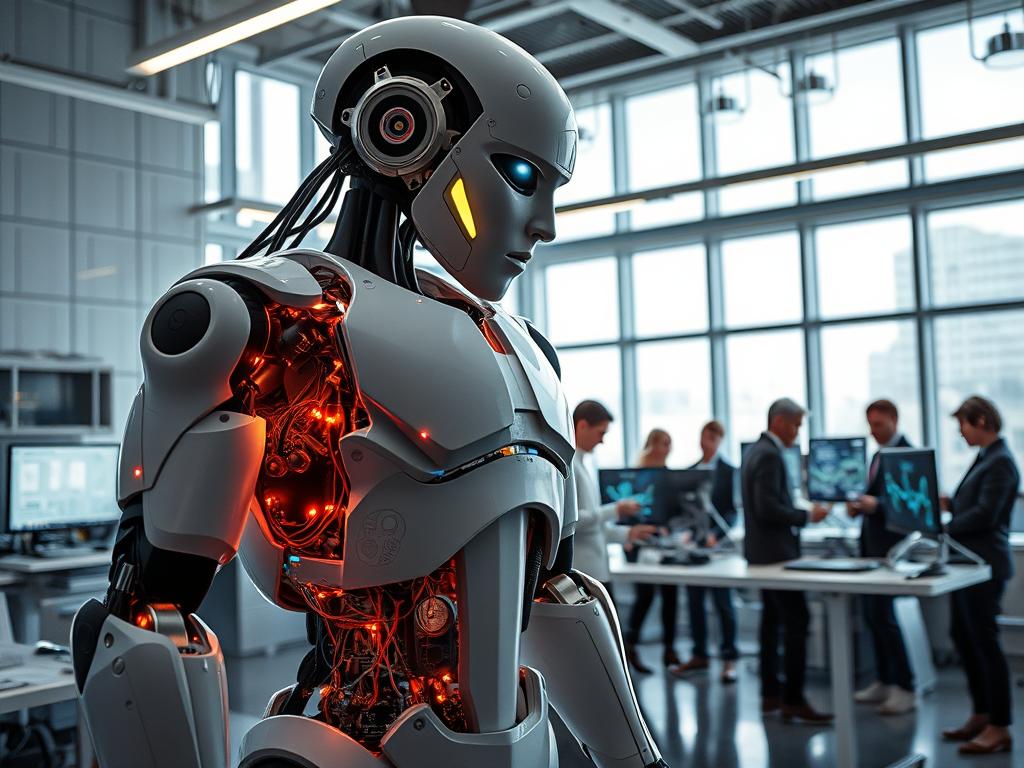
The future of undressing AI holds immense promise, with potential breakthroughs in machine learning and automation. As technology continues to evolve, we can expect significant advancements in the field, leading to more sophisticated and accurate undressing AI solutions.
Advancements in Technology
Several key areas are expected to drive the future development of undressing AI:
- Improved algorithms for better accuracy and efficiency
- Enhanced computer vision capabilities for more realistic simulations
- Integration with other technologies, such as augmented reality (AR) and virtual reality (VR)
These advancements will not only improve the performance of undressing AI but also expand its applications across various industries, including fashion, retail, and entertainment. For instance, Shear Creations Studio is already exploring the use of AI in fashion design.
Potential Market Expansion
The market for undressing AI is expected to grow significantly as the technology becomes more prevalent and accepted. Some potential areas of expansion include:
- E-commerce platforms, where undressing AI can enhance the online shopping experience
- Fashion design and manufacturing, where AI can aid in the creation of new designs
- Entertainment and media, where undressing AI can be used for special effects and content creation
As undressing AI continues to evolve, it is likely to have a profound impact on various aspects of our lives, from how we shop to how we consume media. The potential for innovation and disruption in this field is vast, and it will be exciting to see how undressing AI shapes the future.
Case Studies: Successful Implementation of Undressing AI
The fashion industry has witnessed a paradigm shift with the introduction of undressing AI, as evident from its successful implementation by various brands. This technology has not only enhanced customer experience but also streamlined retail operations.
Undressing AI has been adopted by both high-profile brands and independent innovators, each leveraging its capabilities to improve their business outcomes. Let’s examine some notable examples.
High-Profile Brand Examples
Several leading brands have successfully integrated undressing AI into their retail strategies. For instance, Gucci has implemented an AI-powered virtual try-on feature, allowing customers to see how garments fit without physically trying them on.
- Virtual Try-On: Enables customers to try on clothes virtually, reducing the need for physical try-ons and enhancing the shopping experience.
- Personalized Recommendations: Uses customer data to provide tailored fashion suggestions, increasing the likelihood of purchase.
- Enhanced Customer Engagement: Interactive features that allow customers to share their virtual try-on experiences on social media, fostering brand engagement.
Another example is Zara, which has incorporated undressing AI into its online platform to offer personalized styling advice to its customers.
Independent Innovators
Independent innovators have also played a significant role in advancing undressing AI technology. Startups like ModaScape have developed innovative AI-driven styling tools that provide users with personalized fashion recommendations based on their preferences and body type.
- AI-Driven Styling: Offers users personalized fashion advice, taking into account their style preferences and body measurements.
- Virtual Wardrobe: Allows users to upload pictures of their clothing items and virtually mix-and-match outfits, creating a digital closet.
These innovators are pushing the boundaries of what is possible with undressing AI, driving further adoption across the industry.
The successful implementation of undressing AI by both high-profile brands and independent innovators underscores its potential to revolutionize the fashion industry. As this technology continues to evolve, we can expect to see even more innovative applications in the future.
Conclusion: Embracing the Future of Undressing AI
The advancements in undressing AI have been nothing short of revolutionary, transforming the way we interact with fashion and technology. As we’ve explored throughout this article, the integration of artificial intelligence and machine learning has enabled the development of sophisticated tools that are redefining the retail landscape.
Key Takeaways
The comparison of the latest undressing AI technologies has highlighted significant improvements in virtual fitting rooms, personal styling assistants, and enhanced retail experiences. These innovations not only enhance consumer engagement but also provide valuable insights for retailers and brands.
Future Developments
As undressing AI continues to evolve, we can expect even more personalized and immersive shopping experiences. The role of machine learning in driving these advancements cannot be overstated, enabling more accurate and nuanced understanding of consumer preferences. With responsible innovation, undressing AI is poised to revolutionize the fashion industry, making it more accessible, interactive, and tailored to individual needs.
FAQ
What is undressing AI and how does it work?
What are the key technologies involved in undressing AI?
How is AI being used in the fashion industry?
What are the current applications of undressing AI?
What are the ethical considerations surrounding undressing AI?
How does machine learning enable the complex image manipulation tasks performed by undressing AI?
What are the challenges facing developers of undressing AI?
How is undressing AI impacting consumer behavior?
What is the future of undressing AI?
Are there any successful implementations of undressing AI?
What is the role of natural language processing in undressing AI?
How does undressing AI relate to digital assistants and automation?

Related Posts
Free Undress AI Tool & Clothes Remover App

ai undresser free: Remove Outerwear from Photos