
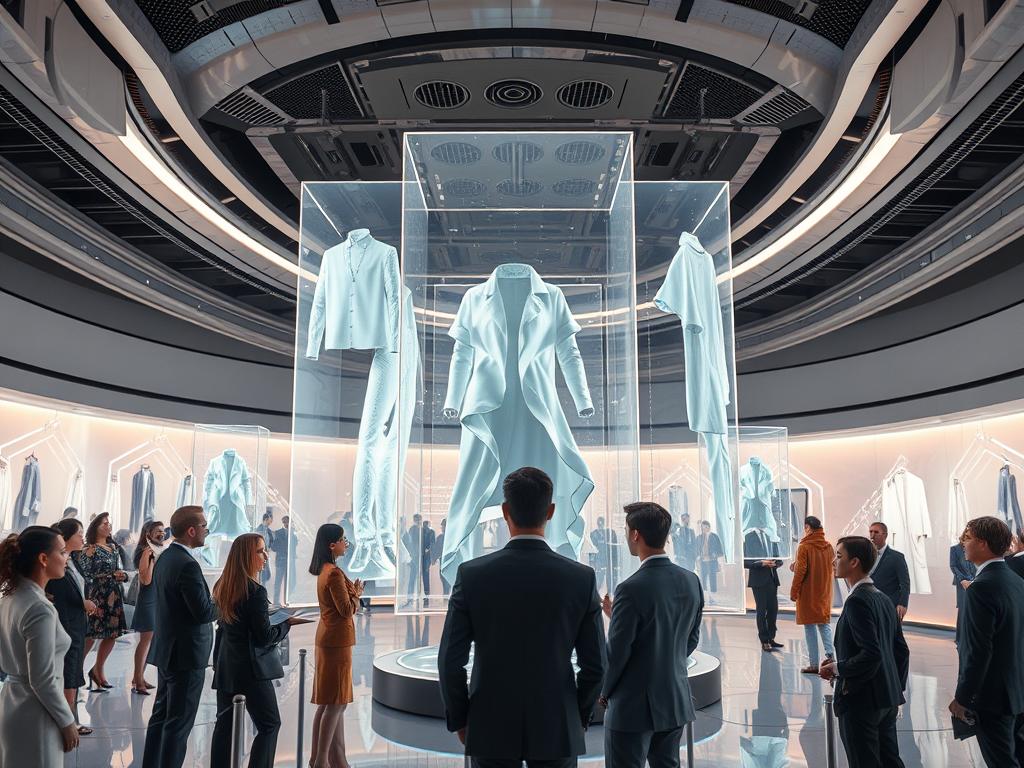
Unveiling the Realities of AI Undress
Can technology really change the way we perceive and interact with digital content? The emergence of artificial intelligence undress technology has sparked intense debate and curiosity. This innovative tool is not just about manipulating images; it’s about redefining the boundaries of digital art and interaction.
As we explore the capabilities and implications of AI undress, it’s essential to consider its potential applications and the ethical considerations surrounding it. From digital art creation to adult entertainment, this technology is poised to revolutionize various industries. For more insights into the innovative applications of AI in content creation, visit Shear Creations Studio, a platform that showcases the potential of AI in generating realistic and artistic content.
Key Takeaways
- Understanding the basics of AI undress technology and its applications.
- Exploring the potential impact on digital art and entertainment industries.
- Discussing the ethical considerations and responsibilities associated with this technology.
- Highlighting the innovative uses of AI in content creation.
- Considering the future implications and potential developments in AI undress technology.
Understanding AI Undress
With the advent of AI undress, the way we interact with digital images and videos is changing, thanks to deep learning algorithms that can remove clothing with remarkable accuracy. This technology has sparked both fascination and debate across various sectors.
Definition of AI Undress
AI undress refers to the use of advanced machine learning models to digitally remove clothing from images or videos. This technology leverages deep learning algorithms to analyze and manipulate visual content, creating the effect of nudity without physical alteration.
How It Works
The process involves training neural networks on vast datasets of images to learn patterns and features associated with clothing and human anatomy. Once trained, these models can be applied to new images or videos to digitally remove clothing, creating a realistic representation.
Common Applications
AI undress technology has found applications in various industries, including:
- Fashion and retail, where it’s used for virtual try-on and product demonstration.
- Entertainment, such as in adult content creation and special effects in movies.
- Advertising and marketing, where it can be used to create engaging and interactive campaigns.
As AI undress technology continues to evolve, its potential applications are expanding, offering new opportunities and challenges across different sectors.
The Technology Behind AI Undressing
The technology behind AI undressing is rooted in sophisticated algorithms and machine learning models. This technology enables the analysis and processing of visual data, allowing for the removal or alteration of clothing in images and videos.
Machine Learning Principles play a crucial role in the development of AI undressing technology. These principles involve training models on vast datasets to learn patterns and make predictions. The more data the models are trained on, the more accurate they become in manipulating visual content.
Machine Learning Principles
At the heart of AI undressing is the concept of deep learning, a subset of machine learning. Deep learning models, such as neural networks, are designed to mimic the human brain’s ability to recognize and interpret visual information. These models are trained on extensive datasets, enabling them to learn and improve over time. The process involves algorithmic disrobe techniques that are crucial for the accurate removal of clothing in images.
For instance, a study by ResearchGate highlights the importance of large datasets in training accurate machine learning models. The study found that models trained on diverse datasets performed better in image recognition tasks.
“The future of AI depends on its ability to understand and generate visual content that is indistinguishable from reality.”
Image Recognition Explained
Image recognition is a critical component of AI undressing technology. It involves the ability of the AI to identify and understand the content of images. This is achieved through complex algorithms that analyze visual data, such as edges, shapes, and textures. The automated removal of clothing relies heavily on this capability.
The process can be broken down into several steps:
- Image acquisition
- Preprocessing
- Feature extraction
- Model training
- Image manipulation
Each step is crucial in ensuring that the AI can accurately identify and manipulate the visual content.
Challenges in Development
Despite the advancements in AI undressing technology, there are several challenges that developers face. One of the primary challenges is ensuring the accuracy and reliability of the models. This requires large, diverse datasets and continuous training. The tech innovation strip is driving efforts to overcome these challenges.
| Challenge | Description |
|---|---|
| Data Quality | The quality of the training data directly impacts the model’s accuracy. |
| Model Complexity | Increasing model complexity can lead to better performance but also increases the risk of overfitting. |
| Ethical Considerations | Developers must consider the ethical implications of their technology, including privacy and consent. |
Addressing these challenges is crucial for the continued development and refinement of AI undressing technology.
Ethical Considerations in AI Undress
As AI undress continues to evolve, it raises critical questions about privacy and consent. The technology, while innovative, poses significant ethical challenges that need to be addressed to ensure its safe and responsible use.
Privacy Concerns
One of the primary ethical considerations surrounding AI undress is privacy. The ability of this technology to generate images or videos that simulate the removal of clothing from individuals raises serious concerns about data privacy and the potential for unauthorized use of personal images.
For instance, if AI undress technology falls into the wrong hands, it could be used to create and distribute non-consensual explicit content. This highlights the need for robust safeguards to protect individuals’ privacy and prevent the misuse of their personal data.
“The use of AI undress technology without consent is a violation of privacy and can have severe consequences for the individuals involved.”
Consent and Appropriate Use
Another crucial aspect is the issue of consent. The use of AI undress technology must be accompanied by clear guidelines on appropriate use and the necessity of obtaining consent from the individuals depicted in the generated content.
- Ensure that all parties involved are aware of and agree to the use of AI undress technology.
- Establish strict protocols for the handling and storage of generated content to prevent unauthorized access.
- Promote education and awareness about the potential risks and benefits associated with AI undress.
Misuse and Malicious Applications
The potential for misuse of AI undress technology is a significant concern. It can be exploited for malicious purposes, such as creating deepfakes or other forms of manipulated media that can be used to harm or deceive individuals.

To mitigate these risks, it is essential to develop and implement strict regulations and industry standards that govern the use of AI undress technology. This includes ensuring that developers and users adhere to ethical guidelines and best practices.
By addressing these ethical considerations, we can work towards a future where AI undress technology is used responsibly and for the benefit of society.
The Impact of AI Undress on Industries
AI undress is making significant waves across multiple sectors, including fashion, gaming, and advertising, by offering new ways to interact with digital content. This technology is not only enhancing customer experiences but also driving business innovation.
Fashion and Retail
In the fashion and retail industries, AI undress is revolutionizing the way customers interact with products. For instance, virtual try-on capabilities allow customers to see how clothing fits without physically trying it on. This enhances the shopping experience and reduces return rates for online purchases.
Moreover, AI undress technology can help retailers create personalized marketing campaigns by generating tailored content based on customer preferences and behaviors. For more insights on how AI is transforming retail, you can explore the intersection of technology and art.
Gaming and Animation
The gaming and animation industries are leveraging AI undress to create more realistic character models and animations. This technology enables developers to generate detailed character designs and animations quickly, saving time and resources.
Additionally, AI undress can be used to create customizable avatars that players can personalize according to their preferences, enhancing the gaming experience.
Advertising and Marketing
In advertising and marketing, AI undress is being used to create engaging and interactive campaigns. For example, brands can use this technology to generate virtual models that showcase their products in a more dynamic and captivating way.
Furthermore, AI undress can help marketers analyze customer data to create targeted advertising campaigns that resonate with their audience, thereby improving the effectiveness of their marketing strategies.
AI Undress in Entertainment
With the advent of AI undress, the entertainment industry is experiencing a paradigm shift in storytelling and visual effects. This technology is being leveraged to create more realistic special effects, enhance narrative depth, and offer new forms of interactive content.
Use in Movies and TV Shows
AI undress is being increasingly used in film and television production to achieve complex visual effects that were previously difficult or impossible to accomplish. For instance, it can be used to create realistic character transformations or to remove clothing in a digital context, enhancing the overall visual experience.
Key Applications:
- Character transformation and costume changes
- Enhanced special effects
- Digital removal of clothing for realistic effects
Effects on Content Creation
The integration of AI undress technology is significantly impacting content creation in the entertainment industry. It allows creators to push the boundaries of storytelling by incorporating more sophisticated and realistic visual effects. This not only enhances the viewer’s experience but also opens up new possibilities for narrative development.
For example, in movie productions, AI undress can be used to create scenes that require characters to change outfits or appear in different attire without the need for multiple takes or extensive editing.
| Application | Benefit | Impact |
|---|---|---|
| Character Transformation | Realistic changes | Enhanced viewer experience |
| Special Effects | Increased complexity | More engaging narratives |
| Digital Clothing Removal | Realistic effects | Improved visual realism |
Audience Reception
The audience’s reception to AI undress in entertainment has been largely positive, with many appreciating the enhanced visual effects and more immersive storytelling. However, there are also concerns regarding the potential misuse of this technology, highlighting the need for responsible and ethical application.
As AI undress technology continues to evolve, it is likely to play an even more significant role in shaping the future of entertainment. By understanding its applications and implications, creators and audiences alike can better appreciate the potential of this innovative technology.
Balancing AI Undress and Creativity
By enhancing certain aspects of artistic work, AI undress is redefining the boundaries of creativity. The technology, which includes deep learning remove clothing capabilities, is being increasingly used in various creative fields.
Enhancements in Artistic Work
AI undress can significantly enhance artistic work by automating certain tasks, allowing artists to focus on more creative aspects. For instance, in the fashion industry, smart technology disrobe can be used to create digital models that can be dressed in various outfits, reducing the need for physical prototypes.
- Automating repetitive tasks
- Enhancing precision in design
- Enabling rapid prototyping
Limitations of AI in Creative Fields
Despite its enhancements, AI undress also has limitations in creative fields. While it can process and analyze vast amounts of data, it lacks the emotional and intuitive depth that human artists bring to their work.
- Limited understanding of human emotions
- Dependence on data quality
- Potential for homogenization of styles
In conclusion, balancing AI undress with human creativity is key to unlocking new possibilities in artistic work. By understanding both the enhancements and limitations of this technology, artists and creators can harness its potential while maintaining the unique touch that only human creativity can provide.
Regulatory Landscape for AI Technologies
Regulating AI technologies, such as virtual assistant unclothe, is a complex challenge that policymakers are currently facing. As AI continues to advance and integrate into various aspects of life, the need for a comprehensive regulatory framework becomes increasingly important.
Existing Regulatory Frameworks
Currently, the regulatory environment for AI technologies is evolving, with various countries and regions adopting different approaches. In the United States, for instance, there are guidelines and regulations aimed at ensuring the safe and ethical development of AI.
Key Regulations and Guidelines:
- Guidelines on AI ethics
- Data protection laws
- Standards for AI safety and security
The table below summarizes some of the key regulations and their implications for AI development:
| Regulation | Description | Impact on AI |
|---|---|---|
| GDPR | General Data Protection Regulation in the EU | Impacts data collection and processing in AI systems |
| CCPA | California Consumer Privacy Act | Affects how AI systems handle personal data |
Future Developments in AI Regulation
As AI technologies continue to evolve, regulatory frameworks are expected to adapt. Future developments may include more stringent guidelines on AI ethics, enhanced data protection measures, and standards for AI safety and security.
The Role of Industry Standards
Industry standards play a crucial role in shaping the development and deployment of AI technologies. By establishing common practices and guidelines, industry standards can help ensure that AI systems are developed responsibly and with consideration for ethical implications.
The Role of Industry Standards
Industry standards are vital in the development of AI technologies as they provide a framework for best practices. These standards can influence how AI systems are designed, developed, and deployed, ensuring they meet certain criteria for safety, security, and ethics.
Key aspects of industry standards for AI include:
- Ethical considerations
- Safety and security protocols
- Transparency in AI decision-making
Public Perception of AI Undress
The public’s perception of AI undress is multifaceted, influenced by various factors including media coverage and social media discussions. As this technology continues to evolve, understanding how it is perceived by the general public is crucial for its successful integration into various industries.
General Attitudes Toward AI
General attitudes toward AI undress vary significantly among different demographics. While some view it as an innovative tool with vast potential, others are concerned about its implications on privacy and consent. According to a recent survey, nearly 60% of respondents were cautious about the use of AI undress technology, citing potential misuse as a major concern.
On the other hand, proponents of AI undress highlight its potential benefits in fields such as fashion and entertainment. For instance, designers can use AI undress to create virtual try-ons, enhancing customer experience without the need for physical prototypes.
Media Representation
Media representation plays a significant role in shaping public perception of AI undress. Mainstream media often focuses on the controversial aspects, such as the potential for misuse in creating deepfakes or violating individuals’ privacy. As noted in a recent article on Forbes, the misuse of AI undress apps has raised significant ethical concerns.
“The dark side of AI undress technology is its potential to be used for malicious purposes, such as creating non-consensual deepfakes.”
Social Media Reactions
Social media platforms are another crucial factor influencing public perception. Discussions on platforms like Twitter and Facebook often reflect a mix of opinions, ranging from support for the technology’s innovative potential to outrage over its potential misuse. A study found that social media reactions can significantly impact the public’s perception, with negative reactions often outweighing positive ones.
- Positive reactions often focus on the technology’s potential benefits.
- Negative reactions highlight concerns over privacy and misuse.
- Neutral reactions call for more regulation and oversight.
In conclusion, the public perception of AI undress is complex and influenced by a variety of factors. As the technology continues to evolve, it is essential to address the concerns raised by the public and to promote a balanced understanding of its potential benefits and risks.
Future Trends in AI Undress Technology
The future of AI undress technology is expected to witness significant advancements, transforming user experiences across multiple sectors. As innovations continue to emerge, the potential for automated removal of clothing in various applications is becoming increasingly sophisticated.
Advancements on the Horizon
One of the most significant trends anticipated in AI undress technology is the enhancement of image recognition capabilities. This will enable more accurate and nuanced tech innovation strip processes, allowing for greater precision in applications such as fashion and retail.
Furthermore, advancements in machine learning algorithms will facilitate more efficient processing and analysis of data, contributing to the overall improvement of AI undress technology.
Potential for Personalization
The future of AI undress is also expected to involve a higher degree of personalization. By leveraging user data and preferences, AI systems can offer tailored experiences, enhancing user satisfaction and engagement.
For instance, in the fashion industry, AI undress technology can be used to create personalized virtual try-on experiences, allowing customers to see how clothing items would fit without physically trying them on.
Integrating with Virtual Reality
Another significant trend is the integration of AI undress technology with virtual reality (VR). This combination has the potential to revolutionize industries such as gaming and entertainment by providing immersive experiences that were previously unimaginable.
By incorporating AI undress into VR environments, developers can create more realistic and interactive scenarios, further enhancing the overall user experience.

As these trends continue to evolve, it’s clear that the future of AI undress technology holds much promise. By embracing these advancements, industries can unlock new opportunities and drive innovation.
Collaborations and Innovations
Collaborations between tech giants and startups are revolutionizing the AI undress industry. The development of AI undress technology is driven by the collective efforts of leading companies, innovative startups, and research institutions. This synergy is fostering an environment where deep learning remove clothing and smart technology disrobe capabilities are advancing at an unprecedented rate.
Leading Companies in AI Undress
Several leading companies are at the forefront of AI undress technology. These industry giants are leveraging their vast resources and expertise to develop sophisticated AI models that can accurately remove clothing from images. Companies like Google, Microsoft, and Amazon are investing heavily in research and development, pushing the boundaries of what is possible with AI.
Partnerships Driving Progress
Strategic partnerships are playing a crucial role in the advancement of AI undress technology. By collaborating with startups and research institutions, leading companies can tap into fresh ideas and innovative approaches. These partnerships are driving progress in areas such as image recognition, machine learning, and data analysis, ultimately enhancing the capabilities of AI undress technology.
Startups Revolutionizing the Industry
Startups are also making significant contributions to the AI undress landscape. With their agility and innovative spirit, startups are able to quickly adapt to new trends and technologies. Many startups are focusing on niche areas within AI undress, such as developing more accurate algorithms or improving user interfaces. Their work is not only enhancing the technology but also driving competition, which is pushing the industry forward.
The future of AI undress technology looks promising, with continued collaborations and innovations expected to drive further advancements. As leading companies, startups, and research institutions continue to work together, we can expect to see significant improvements in the capabilities and applications of AI undress technology.
Conclusion: The Future of AI Undress
The exploration of AI undress technology reveals a complex landscape of innovation and ethical considerations. As we’ve seen, this technology has the potential to revolutionize various industries, from fashion to entertainment, by providing new ways to create and interact with digital content.
Key Findings
The development of AI undress is rooted in advanced machine learning principles and image recognition technologies. Its applications range from enhancing artistic work to creating personalized digital experiences, such as those involving a virtual assistant that can unclothe digital avatars.
The Path Forward
As AI undress technology continues to evolve, it’s crucial to address the challenges associated with its development and use. This includes mitigating privacy concerns and ensuring that the technology is not used for malicious purposes, such as algorithmic disrobe without consent.
Embracing Ethics
Embracing ethical AI practices is paramount. This involves not only adhering to current laws and guidelines but also fostering a culture of responsibility among developers and users. By doing so, we can harness the potential of AI undress while minimizing its risks.
FAQ
What is AI undress technology?
How does AI undress work?
What are the potential applications of AI undress?
What are the ethical concerns surrounding AI undress?
Can AI undress be used for creative purposes?
How is the technology behind AI undress evolving?
What role do industry standards play in regulating AI undress?
How is AI undress perceived by the public?
What are the future trends in AI undress technology?
Who are the key players driving innovation in AI undress?
What is the potential for AI undress to be misused?
How can the risks associated with AI undress be mitigated?

Related Posts
Free Undress AI Tool & Clothes Remover App

ai undresser free: Remove Outerwear from Photos