Unlock the Power of AI: Discover the AI Undress App
Imagine being able to try on clothes virtually, without having to physically change outfits. Can technology really revolutionize the way we shop and interact with fashion?
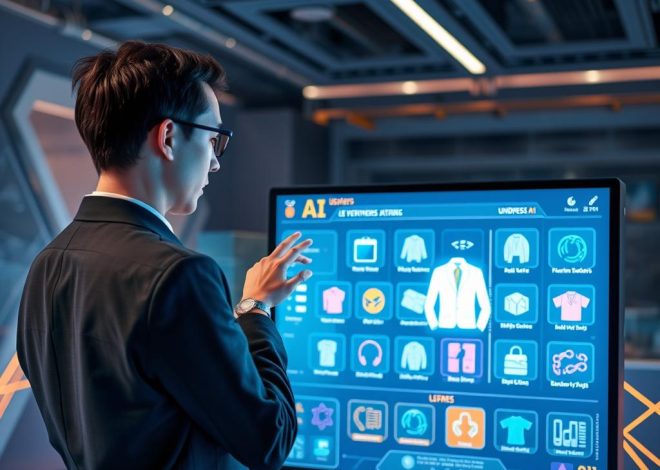
The emergence of the AI undress app is changing the fashion landscape. This innovative technology allows users to upload a photo, highlight the area they want to change, and enter a text prompt to replace clothes with a new style instantly.
Using advanced AI algorithms, the virtual try-on technology detects clothing and replaces it with the desired style, creating a seamless and realistic result. This technology has the potential to transform the fashion industry.
Key Takeaways
- Virtual try-on technology allows users to change outfits virtually.
- The AI undress app uses AI algorithms to detect and replace clothing.
- This technology has the potential to revolutionize the fashion industry.
- Users can upload a photo and enter a text prompt to change their outfit.
- The app creates a seamless and realistic result.
The Evolution of Digital Fashion Technology
With AI at the forefront, the fashion world is experiencing a paradigm shift. The traditional shopping experience is being transformed into a virtual one, revolutionizing the way we interact with fashion.
From Traditional Shopping to Virtual Experiences
The rise of virtual try-on technology has enabled consumers to try on clothes virtually, reducing the need for physical try-ons and returns. This shift has been driven by advancements in clothing simulation software and AI fashion styling tools. For more information on the latest trends in virtual try-on technology, visit Shear Creations Studio.
How AI is Transforming the Fashion Industry
AI is transforming the fashion industry in various ways, from creating personalized fashion experiences to improving supply chain management. The development of AI undress apps is a significant milestone in this transformation.
Key Technological Milestones
The evolution of digital fashion technology has been marked by several key milestones, including the development of clothing simulation software and AI fashion styling tools. These advancements have enabled the creation of realistic and personalized fashion experiences.
| Technological Milestone | Description | Impact |
|---|---|---|
| Clothing Simulation Software | Enables realistic virtual try-ons | Reduces returns, enhances customer experience |
| AI Fashion Styling Tools | Provides personalized style recommendations | Improves customer satisfaction, increases sales |
| Virtual Try-On Technology | Allows users to try on clothes virtually | Enhances shopping experience, reduces physical try-ons |
Understanding the AI Undress App
Understanding the AI undress app requires delving into its core functionality and technological underpinnings. This innovative application utilizes AI algorithms to detect clothing and replace it with new styles, offering users a virtual try-on experience.
Definition and Core Functionality
The AI undress app is defined by its ability to remove and replace clothing in images using advanced image recognition capabilities. This core functionality enables users to see how different outfits would look on them without physically changing clothes.
The Science Behind Digital Clothing Removal and Replacement
The technology behind the AI undress app is rooted in sophisticated algorithms and AI techniques. Two key components are crucial to its operation:
Image Recognition Capabilities
The app’s image recognition capabilities allow it to identify clothing and the areas to be modified. This is achieved through complex AI-driven processes that analyze the image and detect the clothing.
Clothing Simulation Algorithms
Once the clothing is identified, clothing simulation algorithms are used to create a realistic replacement. These algorithms take into account various factors such as lighting, shadows, and fabric texture to produce a lifelike result.
The combination of these technologies makes the AI undress app a powerful tool in the digital fashion landscape, offering users a unique and engaging experience.
How AI Undress Apps Transform Shopping Experiences
AI-powered virtual try-on technology is transforming the shopping experience, making it more personalized and interactive. This innovation is revolutionizing the way consumers interact with clothing online, allowing for a more immersive experience.
The Virtual Fitting Room Process
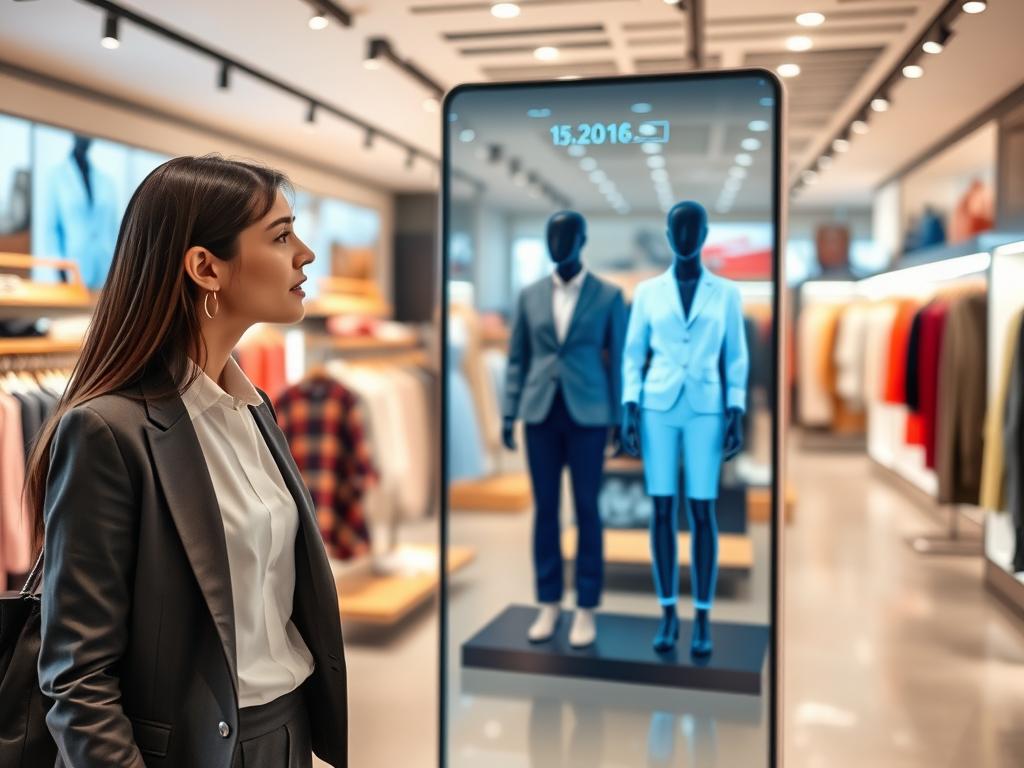
The virtual fitting room process utilizes AI to create a digital representation of the user’s body, enabling them to try on clothes virtually. According to Outlix, a pioneer in AI fashion technology, “Outlix brings the future of fashion right to your fingertips!” This technology allows users to see how clothes fit without physically wearing them.
Creating Accurate Body Models
Creating accurate body models is crucial for a realistic virtual try-on experience. This involves using advanced measurement technologies to capture the user’s body dimensions.
Measurement Technologies
Measurement technologies play a vital role in creating precise body models. These technologies use various methods to capture body measurements, ensuring a accurate fit.
Customization Options
Customization options allow users to personalize their virtual try-on experience. By adjusting various parameters, users can tailor the experience to their preferences, making it more engaging and enjoyable.
As emphasized by industry experts, the use of AI undress apps can significantly reduce returns and improve customer satisfaction, benefiting both consumers and retailers. “The future of fashion is here, and it’s powered by AI,” highlighting the potential of this technology to transform the fashion industry.
“The future of fashion is here, and it’s powered by AI.”
Top AI Undress App Options in 2023
With advancements in virtual try-on technology, 2023 is shaping up to be a landmark year for AI undress apps. The market is witnessing a surge in innovative solutions that are transforming the way we interact with fashion.
Leading Virtual Try-On Platforms
The top AI undress apps are categorized into mobile applications and web-based solutions, each offering unique benefits.
Mobile Applications
Mobile apps like MimicPC AI Undresser and Fotor AI Clothes Remover are gaining popularity due to their convenience and advanced features. These apps utilize AI-driven technology to provide users with a seamless virtual try-on experience.
Web-Based Solutions
Web-based platforms, such as Undress.app, offer users the flexibility to access virtual try-on capabilities from any device with a web browser. This accessibility is a significant advantage for users who prefer not to download additional apps.
Feature Comparison and Pricing
When selecting an AI undress app, users should consider factors such as image recognition capabilities, clothing simulation algorithms, and customization options. According to recent reviews, the top AI undress apps offer a range of features, including:
- Advanced image recognition technology
- Realistic clothing simulation
- Personalization options
As
“The future of fashion is digital, and AI undress apps are at the forefront of this revolution,”
said a leading industry expert. Pricing plans vary among the top AI undress apps, with some offering free trials and others requiring subscription-based models.
By comparing the features and pricing of different AI undress apps, users can make informed decisions about which solution best suits their needs.
Virtual Wardrobe Experience: Building Your Digital Closet
The virtual wardrobe experience is revolutionizing the way we interact with fashion. By leveraging AI technology, users can now create a digital representation of their wardrobe, making it easier to plan outfits and discover new looks.
Digitizing Your Existing Clothes
One of the key benefits of AI undress apps is the ability to digitize your existing clothes. According to Outlix, “Outlix allows you to visualize yourself in any outfit, anywhere, anytime.” This means you can upload pictures of your clothes and create a virtual closet, making it easier to mix and match different pieces.
Exploring New Styles Without Physical Purchases
With a virtual wardrobe, you can explore new styles without having to physically purchase new clothes. This not only reduces the environmental impact of fast fashion but also saves you money.
Integration with Online Retailers
Many AI undress apps integrate with online retailers, allowing you to browse and purchase new clothes directly from the app. This seamless shopping experience makes it easier to find the perfect outfit.
Social Sharing Capabilities
Virtual wardrobe apps also often include social sharing capabilities, enabling you to share your favorite looks with friends or on social media. As Outlix highlights, this feature allows you to “redefine your style” and get feedback from others.
By building a digital closet, you can enjoy a more streamlined and engaging fashion experience. With the ability to digitize your existing clothes, explore new styles, and share your looks with others, the virtual wardrobe experience is set to revolutionize the way we interact with fashion.
Augmented Reality Dress Fitting Technology
The integration of augmented reality (AR) in dress fitting technology is revolutionizing the way we shop for clothes online. By leveraging AR, users can now enjoy a more immersive and interactive shopping experience from the comfort of their homes.
Enhancing Virtual Try-On
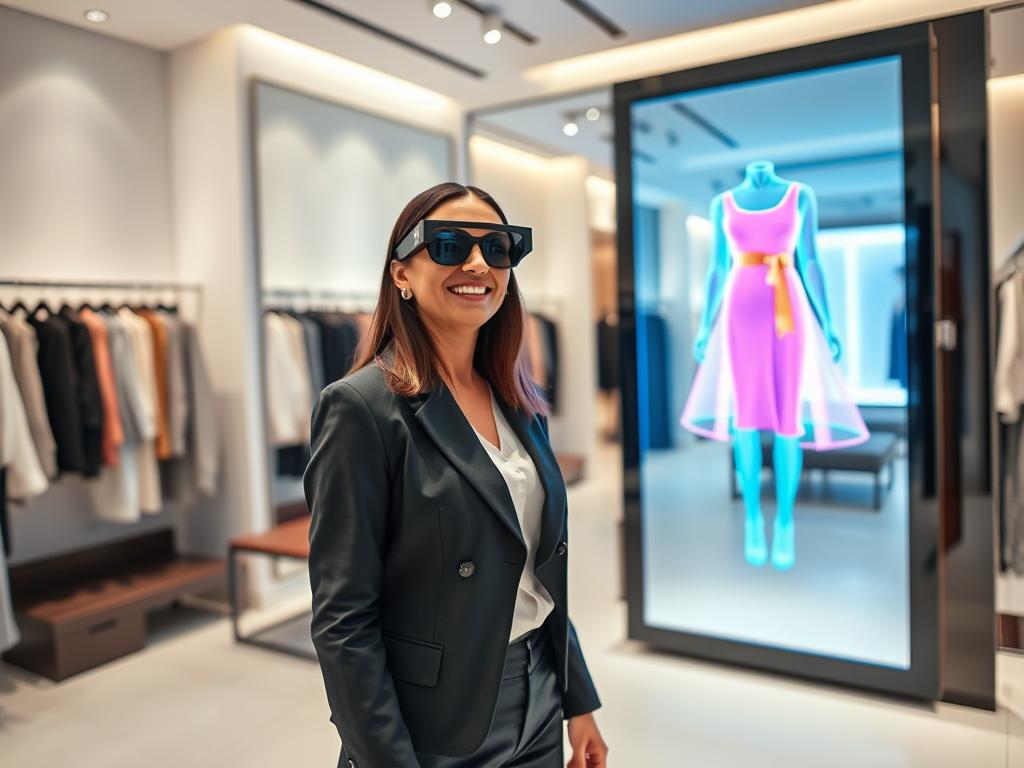
Augmented reality significantly enhances the virtual try-on experience by allowing users to see how clothes fit in real-time. This technology uses the device’s camera to superimpose a virtual image of the clothing item onto the user, providing a realistic view of how it would look when worn.
Key benefits of AR in virtual try-on include:
- Realistic visualization of clothing items
- Ability to see how clothes move with the body
- Enhanced user engagement and satisfaction
Real-Time Visualization and Movement
One of the standout features of AR dress fitting technology is its ability to provide real-time visualization and movement. This means that as the user moves, the virtual clothing item moves with them, offering a truly immersive experience.
Hardware Requirements
To utilize AR dress fitting technology, users typically need a smartphone or tablet with a high-resolution camera and a compatible operating system. The specific hardware requirements can vary depending on the app or platform being used.
Limitations and Challenges
While AR dress fitting technology has made significant strides, there are still some limitations and challenges to be addressed. These include issues related to lighting, shadows, and the accuracy of the virtual fit. Despite these challenges, the technology continues to evolve, promising even more sophisticated virtual try-on experiences in the future.
AI Fashion Styling Tools and Recommendations
With the rise of AI fashion styling tools, users can now enjoy a more personalized and immersive fashion experience. These tools are designed to analyze individual preferences and provide tailored suggestions, revolutionizing the way people shop and interact with fashion.
Personalized Style Suggestions
AI fashion styling tools offer personalized style suggestions based on a user’s body type, skin tone, and personal preferences. By leveraging advanced algorithms, these tools can predict which styles and trends will suit an individual best, making fashion more accessible and enjoyable.
Trend Analysis and Seasonal Recommendations
These AI-driven tools also provide trend analysis and seasonal recommendations, keeping users informed about the latest fashion trends. By analyzing current and upcoming trends, users can stay ahead of the fashion curve and make informed purchasing decisions.
Color Matching Algorithms
One of the key features of AI fashion styling tools is their ability to perform color matching. By analyzing a user’s skin tone, hair color, and personal preferences, these tools can suggest colors that will complement their appearance, ensuring a harmonious and stylish look.
Body Type Optimization
AI fashion styling tools also offer body type optimization, providing users with recommendations that flatter their figure. By understanding the nuances of different body types, these tools can suggest styles and silhouettes that enhance a user’s natural shape.
According to Outlix, a leading provider of AI fashion styling solutions, “Outlix allows you to visualize yourself in any outfit, anywhere, anytime.” This technology is transforming the fashion industry by providing users with a more personalized and engaging experience.
Apparel Virtual Fitting Room Implementation
Implementing virtual fitting rooms is revolutionizing the way we shop for clothes online. This technology is not only enhancing the shopping experience for individual consumers but also providing significant benefits for retailers and fashion brands.
For Individual Consumers
For individual consumers, virtual fitting rooms offer a more immersive and personalized fashion experience. Using AI fashion styling tools, consumers can try on clothes virtually, reducing the need for physical try-ons and returns. This technology allows for:
- Accurate body modeling
- Realistic clothing simulation
- Personalized style recommendations
For Retailers and Fashion Brands
For retailers and fashion brands, the implementation of virtual try-on technology can lead to improved customer engagement and reduced returns. By integrating virtual fitting rooms with existing e-commerce systems, retailers can create a more seamless and engaging shopping experience.
Integration with Existing E-Commerce Systems
Seamless integration with e-commerce platforms is crucial for the successful implementation of virtual fitting rooms. This involves incorporating apparel virtual fitting room technology with existing inventory management systems to ensure accurate and efficient service.
Customer Engagement Metrics
Retailers can track various metrics to measure the effectiveness of virtual fitting rooms, including time spent in the virtual fitting room, number of virtual try-ons, and conversion rates. These metrics provide valuable insights into customer behavior and preferences.
Benefits and Limitations of Clothing Simulation Software
The advent of clothing simulation software has brought significant changes to how consumers shop and interact with fashion brands. This technology has the potential to revolutionize the fashion industry by providing users with a more personalized and immersive shopping experience.
Advantages for Shoppers and Businesses
Clothing simulation software offers numerous benefits for both shoppers and businesses. For consumers, it provides a more accurate way to try on clothes virtually, reducing the need for physical try-ons and returns. For businesses, it can lead to significant cost savings and improved customer satisfaction.
Reduced Returns and Environmental Impact
One of the significant advantages of clothing simulation software is the reduction in returns. By allowing customers to see how clothes fit virtually, businesses can minimize the number of returns, which in turn reduces environmental impact due to lower shipping and packaging demands.
Time and Cost Savings
Clothing simulation software also offers time and cost savings for both consumers and retailers. Consumers can try on multiple outfits quickly without having to physically change clothes, while retailers can reduce the costs associated with processing returns and maintaining large inventory.
| Benefits | Description | Impact |
|---|---|---|
| Reduced Returns | Virtual try-on reduces the need for physical returns | Lower shipping costs and environmental impact |
| Time Savings | Quick virtual try-ons | Improved customer experience and reduced operational costs |
| Cost Savings | Reduced need for inventory and return processing | Lower operational costs for retailers |
Current Technological Constraints
Despite its many benefits, clothing simulation software also faces some technological constraints. These include the need for high-quality images and potential challenges with complex fabrics and textures. Addressing these challenges is crucial for the continued advancement of this technology.
Ethical Considerations and Privacy in Digital Dressing Room Apps
With the growing use of virtual wardrobe experiences, it’s crucial to examine the ethical considerations surrounding these technologies. As users increasingly adopt digital dressing room apps, concerns about data privacy, security, and the representation of body image come to the forefront.
Data Security and Personal Information
One of the primary ethical concerns with digital dressing room apps is the handling of personal data and images. Users must be aware of how their information is being used and stored. According to Outlix, a company that redefines style with AI, there’s a significant emphasis on the responsibility of users to understand the terms of service, including how generated images may be used.
Key considerations include:
- Ensuring that user data is encrypted and protected against unauthorized access.
- Transparency about how user images are used for improving AI models.
- Providing users with options to control their data and delete it if needed.
Body Image Representation and Inclusivity
Another critical aspect is how these apps represent body image and promote inclusivity. The diversity of virtual models and the potential for creating unrealistic beauty standards are significant concerns.
Diversity in Virtual Models
Apps should strive to offer a diverse range of virtual models that reflect different body types, skin tones, and abilities. This diversity helps in making the technology more inclusive and representative.
Realistic Expectations vs. Idealized Imagery
There’s a fine line between providing users with a realistic try-on experience and creating idealized imagery that may not be attainable or healthy. Developers must balance these considerations to promote positive body image.
By addressing these ethical considerations, developers of digital dressing room apps can create more responsible and inclusive technologies that benefit both users and the broader fashion industry.
The AI undress app represents a significant step forward in the evolution of digital fashion technology, revolutionizing the way we interact with clothing and transforming the shopping experience. As virtual try-on technology continues to advance, we can expect to see more sophisticated and personalized fashion experiences.
With the integration of AI fashion styling tools, consumers will be able to receive tailored style suggestions and trend analysis, making it easier to stay on top of the latest fashion trends. The potential applications of AI in fashion technology are vast, and we can expect to see innovative uses of this technology in the industry.
As AI continues to shape the future of fashion, we can look forward to a more immersive, engaging, and sustainable fashion experience. The use of virtual try-on technology and AI-powered styling tools will enable consumers to explore new styles without the need for physical purchases, reducing waste and promoting a more environmentally friendly approach to fashion.
FAQ
What is an AI undress app?
How does the AI undress app work?
What are the benefits of using an AI undress app?
How does virtual try-on technology work?
What are the advantages of clothing simulation software?
What are the limitations of clothing simulation software?
How do AI fashion styling tools work?
What are the ethical considerations when using digital dressing room apps?
How can retailers and fashion brands implement virtual fitting rooms?
What is the future of AI-powered fashion technology?

Related Posts
Free Undress AI Tool & Clothes Remover App

ai undresser free: Remove Outerwear from Photos