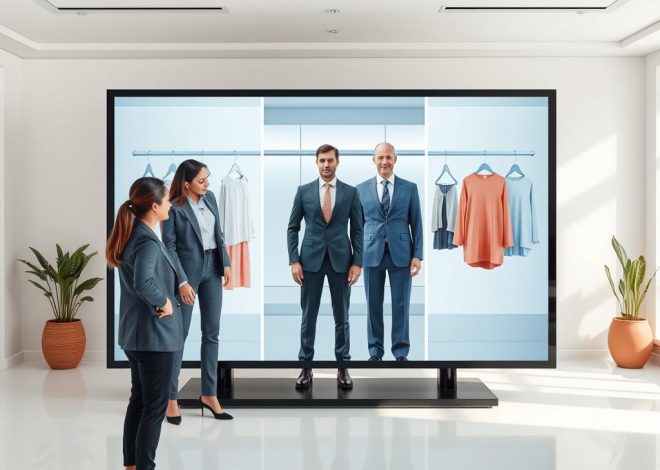

AI Undresser: Revolutionizing the Way We Dress
Are you ready to see how artificial intelligence is transforming the fashion industry in ways you never imagined?
The emergence of AI undresser technology is changing the way we interact with clothing and fashion, making it more personalized and accessible.
Tools like Clothoff are at the forefront of this revolution, using artificial intelligence undresser capabilities to innovate the fashion experience.
Key Takeaways
- The AI undresser is transforming the fashion industry.
- Artificial intelligence undresser technology is making fashion more personalized.
- Clothoff is a pioneering tool in this innovative space.
- The technology is changing how we interact with clothing.
- Fashion is becoming more accessible with AI-driven solutions.
The Rise of AI in Fashion Technology
AI is redefining the fashion industry through technological advancements. The clothing industry is undergoing a significant transformation with the integration of Artificial Intelligence (AI). This shift is not just about adopting new technology; it’s about revolutionizing the way we design, produce, and consume clothing.
Digital Transformation in the Clothing Industry
The traditional fashion industry has been labor-intensive, relying heavily on manual processes for design, production, and visualization. However, with the advent of AI, there’s been a notable shift towards digitalization. AI tools like Clothoff are enabling virtual clothing designs and undressing simulations, making the design process more efficient and innovative.
From Manual to Automated Clothing Visualization
The move from manual to automated clothing visualization is a significant milestone. Automated systems can now generate high-quality images of clothing items without the need for extensive photo shoots. This not only saves time and resources but also allows for greater creativity in fashion design.
Key Milestones in Fashion Tech Development
- Introduction of AI-powered design tools
- Development of virtual try-on capabilities
- Advancements in fabric simulation techniques
- Emergence of undressing AI and AI clothing remover technologies
The integration of AI in fashion technology is not just a trend; it’s a new standard. As technology continues to evolve, we can expect even more innovative applications of AI in the fashion industry.
What Is an AI Undresser and How It Works
AI undresser technology is a cutting-edge innovation that allows for realistic simulations of undressing using advanced computer vision and machine learning algorithms. This technology is revolutionizing the way we interact with clothing in the digital realm.
Defining the AI Undresser Technology
The AI undresser is a sophisticated tool that utilizes image processing techniques and machine learning to simulate the removal of clothing from digital images or 3D models. This technology has far-reaching implications for the fashion industry, enabling new forms of customer interaction and product visualization.
Core Technical Components
The AI undresser relies on several key technical components to function effectively:
Computer Vision Systems
These systems enable the AI to interpret and understand visual data from images or videos, allowing for accurate detection of clothing and body contours.
Machine Learning Algorithms
Advanced machine learning algorithms are used to process the visual data and simulate the undressing process realistically. These algorithms learn from vast datasets to improve their accuracy and efficiency.
3D Modeling Capabilities
The ability to create detailed 3D models of clothing and human bodies is crucial for generating realistic simulations. This component allows for precise rendering of how clothing fits and moves on the body.
The integration of these components enables the AI undresser to provide highly realistic and interactive experiences. For instance, technologies like Clothoff use similar machine learning algorithms and image processing techniques to simulate undressing.
| Technical Component | Function | Benefit |
|---|---|---|
| Computer Vision Systems | Interpret visual data | Accurate clothing detection |
| Machine Learning Algorithms | Process visual data | Realistic undressing simulation |
| 3D Modeling Capabilities | Create detailed models | Precise rendering of clothing fit |
The Science Behind Artificial Intelligence Undresser
Behind the AI undresser’s functionality lies a complex interplay of image recognition, body measurement, and fabric simulation. This technology is not just about removing clothes virtually; it’s about creating a realistic and interactive experience for users.
Image Recognition and Processing
The AI undresser starts by analyzing the input image or video of a person. Image recognition algorithms identify key body landmarks, such as shoulders, waist, and hips, to understand the person’s pose and body shape.
This information is then processed to create a digital model of the person, which is essential for accurate virtual try-ons.
Body Measurement Technologies
To provide a realistic virtual try-on experience, the AI undresser must accurately measure the person’s body. Body measurement technologies use various techniques, including 3D scanning and anthropometric analysis, to determine measurements such as height, weight, and body proportions.
Fabric Simulation Techniques
Fabric simulation is crucial for realistic virtual clothing. The AI undresser uses advanced techniques to simulate how fabrics drape, fold, and interact with the body.
Physics-Based Rendering
Physics-based rendering is a key component of fabric simulation. It involves using physical laws to simulate the behavior of fabrics, taking into account factors like gravity, friction, and material properties.
Material Property Analysis
Understanding the properties of different fabrics is essential for realistic simulation. Material property analysis involves analyzing the texture, elasticity, and other characteristics of fabrics to simulate their behavior accurately.
The combination of these technologies enables the AI undresser to provide a highly realistic and interactive virtual try-on experience.
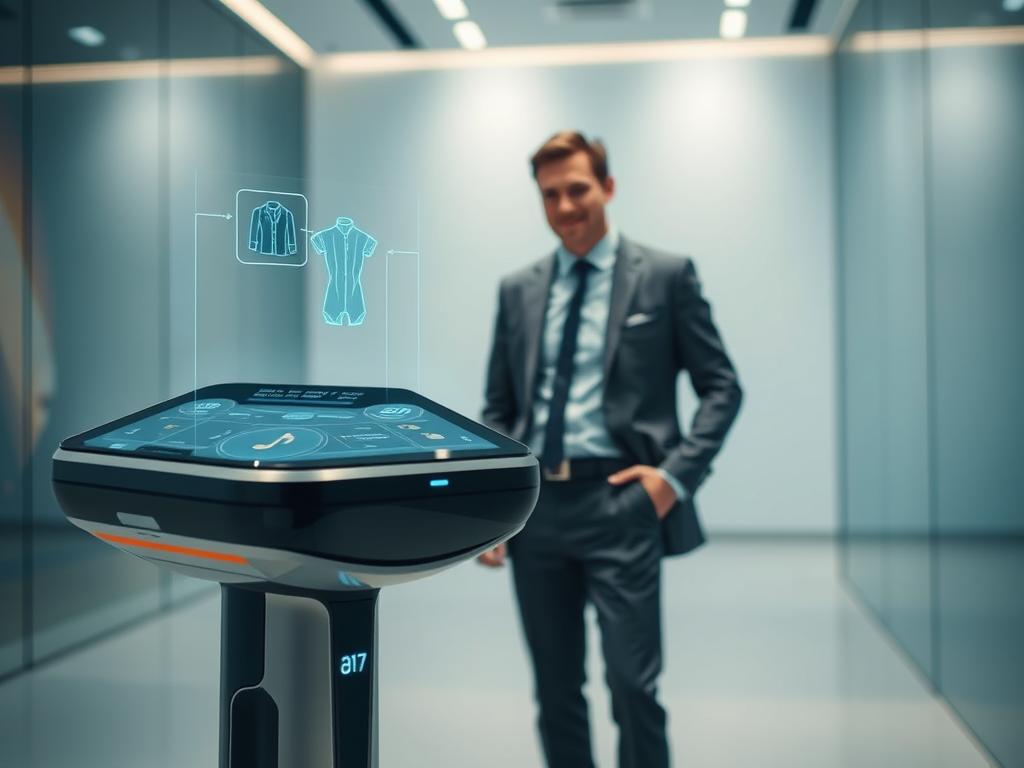
The science behind AI undresser technology is complex and multifaceted, involving advanced image recognition, body measurement, and fabric simulation techniques. As this technology continues to evolve, we can expect to see even more realistic and interactive virtual try-on experiences.
- Advanced image recognition algorithms for accurate body analysis
- Sophisticated body measurement technologies for precise measurements
- Realistic fabric simulation techniques for immersive virtual try-ons
Virtual Wardrobe Assistants for Consumers
With the help of AI-powered virtual wardrobe assistants, consumers can now manage their clothing collections more efficiently. These digital tools are revolutionizing the way people interact with their wardrobes, making it easier to plan outfits, reduce decision fatigue, and enhance overall shopping experiences.
Building Your Digital Clothing Collection
One of the key features of virtual wardrobe assistants is the ability to build a digital clothing collection. By uploading pictures of their clothing items, users can create a virtual replica of their wardrobe. This digital collection can be organized by type, color, occasion, or season, making it easier to find specific items.
Clothing categorization becomes more efficient, allowing users to quickly identify what they have and what they might need to purchase. This feature is particularly useful for individuals with large wardrobes or those who tend to forget what they own.
AI-Powered Outfit Recommendations
Virtual wardrobe assistants use AI algorithms to provide personalized outfit recommendations based on the user’s digital clothing collection. By considering factors such as the occasion, weather, and personal style, these assistants can suggest outfits that are both stylish and relevant.
This feature not only saves time but also helps users discover new ways to style their existing clothing. For instance, an AI-powered assistant might suggest pairing a favorite top with a different bottom or accessory, encouraging users to experiment with their wardrobe.
Seasonal Wardrobe Planning
Seasonal wardrobe planning is another significant benefit of virtual wardrobe assistants. By analyzing the user’s digital clothing collection, the AI can identify which items are suitable for the current season and suggest outfits accordingly.
Integration with Weather Forecasts
Some virtual wardrobe assistants can integrate with weather forecasts, ensuring that the recommended outfits are appropriate for the weather conditions. This feature is particularly useful for planning daily attire or preparing for special events.
Occasion-Based Styling
Virtual wardrobe assistants can also provide occasion-based styling suggestions. Whether it’s a formal event, a casual gathering, or a business meeting, the AI can recommend outfits that are tailored to the specific occasion.
| Feature | Description | Benefit |
|---|---|---|
| Digital Clothing Collection | Upload and organize clothing items | Efficient wardrobe management |
| AI-Powered Outfit Recommendations | Personalized suggestions based on occasion and style | Time-saving and discovery of new styles |
| Seasonal Wardrobe Planning | Analysis of clothing suitability for the season | Relevant outfit suggestions |
By leveraging these features, consumers can enjoy a more streamlined and personalized approach to managing their wardrobes. Virtual wardrobe assistants are poised to revolutionize the fashion industry by making it easier for consumers to interact with their clothing collections.
AI Undresser Applications in Retail
The integration of AI undresser technology in retail is redefining the shopping experience. Retailers are leveraging this innovative technology to enhance customer interactions and streamline their operations.
Virtual Fitting Rooms
One of the most significant applications of AI undresser technology is the creation of virtual fitting rooms. This allows customers to try on clothes virtually, reducing the need for physical fitting rooms and enhancing the overall shopping experience.
Virtual try-on capabilities not only improve customer satisfaction but also reduce the likelihood of returns due to sizing issues.
Personalized Shopping Experiences
AI undresser technology enables retailers to offer personalized shopping experiences tailored to individual customer preferences. By analyzing customer data and behavior, AI algorithms can suggest relevant products, enhancing the shopping experience and encouraging purchases.
Reducing Return Rates Through Better Visualization
Better visualization is key to reducing return rates. AI undresser technology provides customers with a more accurate representation of products, thereby reducing the likelihood of returns due to misaligned expectations.
Case Studies of Successful Implementations
Several retailers have successfully implemented AI undresser technology, achieving significant benefits. For instance, a leading fashion retailer saw a 25% reduction in return rates after integrating virtual try-on capabilities into their online platform.
ROI Metrics for Retailers
Retailers can expect a substantial return on investment (ROI) from implementing AI undresser technology. Metrics include increased customer engagement, reduced return rates, and improved sales conversion rates.
By adopting AI undresser technology, retailers can stay ahead of the competition and meet the evolving demands of tech-savvy consumers.
Benefits and Limitations of Smart Clothing Removal Tools
AI-powered clothing removal tools are changing the landscape of online shopping by offering a more realistic and immersive experience. These tools, such as Clothoff, are designed to provide users with a virtual try-on experience, revolutionizing the way we interact with clothing online.
Time and Resource Savings
One of the significant advantages of using AI undresser technology is the potential for time and resource savings. By automating the process of clothing visualization, retailers can reduce the need for manual photo editing, saving both time and resources. This efficiency can lead to cost savings, which can be passed on to consumers or invested in further improving the shopping experience.
Enhanced Customer Experience
The AI clothing remover technology also enhances the customer experience by providing a more personalized and engaging way to browse and purchase clothing. With the ability to virtually try on clothes, consumers can make more informed purchasing decisions, reducing the likelihood of returns and increasing overall satisfaction.
Current Technical Challenges
Despite the numerous benefits, AI undressing technology faces several technical challenges. Two of the primary issues are accuracy and processing requirements.
Accuracy Issues
Ensuring the accuracy of the AI-generated images is crucial. Inaccurate representations can lead to a poor customer experience and potential losses for retailers. The technology must be able to accurately simulate the fit and appearance of clothing on different body types.
Processing Requirements
Another challenge is the processing power required to generate high-quality, real-time images. The technology demands significant computational resources to process complex algorithms and large datasets quickly.
In conclusion, while AI undresser technology offers several benefits, including time and resource savings and an enhanced customer experience, it also faces technical challenges that need to be addressed. As the technology continues to evolve, we can expect to see improvements in accuracy and processing efficiency, leading to a more seamless and enjoyable shopping experience.
Ethical Considerations and Privacy Safeguards
With the rise of virtual try-on technology, ethical considerations and privacy safeguards have become paramount. As artificial intelligence undresser technology becomes more prevalent, it’s essential to address the potential risks associated with its use.
Data Protection in Virtual Try-On Technology
The use of virtual wardrobe assistant technology involves the collection and processing of personal data, including images and body measurements. Ensuring the secure handling of this data is critical to maintaining user trust.
To achieve this, companies must implement robust data protection measures, including encryption and secure storage solutions. Transparency about how user data is used and shared is also vital.
Preventing Misuse of AI Clothing Visualization
Another ethical concern is the potential misuse of AI clothing visualization technology. To mitigate this risk, industry stakeholders must establish clear guidelines and regulations governing the use of this technology.
Industry Guidelines and Best Practices
Developing industry guidelines and best practices is crucial for ensuring the responsible use of AI undresser technology. This includes establishing consent frameworks that inform users about data collection and usage practices.
Consent Frameworks
Effective consent frameworks require that users be fully informed about how their data will be used and provide explicit consent for its collection and processing.
Transparency Requirements
Transparency is key to building trust in virtual try-on technology. Companies must be clear about their data practices and ensure that users understand how their information is being used.
By prioritizing ethical considerations and privacy safeguards, the fashion industry can harness the benefits of AI undresser technology while protecting users’ rights and interests.
The Future of Automated Undressing Technology
As we look ahead, the potential for automated undressing technology to transform fashion is vast. The AI undresser is not just a tool for virtual try-on; it’s a gateway to a more integrated and sustainable fashion industry.
Integration with Augmented and Virtual Reality
The future of smart clothing removal tool technology may involve deeper integration with augmented reality (AR) and virtual reality (VR). This could enable consumers to experience clothing in entirely new dimensions, enhancing the online shopping experience. For instance, a visit to Shear Creations Studio could become a virtual reality experience where customers can try on outfits virtually.
Predictive Fashion Analytics
Another potential development is the use of predictive fashion analytics in conjunction with AI undresser technology. This could help designers and retailers anticipate trends, manage inventory more effectively, and reduce waste.
Sustainability Applications
Sustainability is becoming increasingly important in the fashion industry, and AI undresser technology can play a significant role. Two key areas where this technology can make an impact are:
Reducing Fashion Waste
By allowing consumers to try on clothes virtually, the AI undresser can help reduce the number of returns, thereby decreasing fashion waste.
Virtual Sampling for Designers
Designers can use virtual sampling to test and refine their designs without creating physical prototypes, further reducing waste and environmental impact.
The future of automated undressing technology is bright, with potential applications that can transform the fashion industry in meaningful ways. As technology continues to evolve, we can expect to see more innovative uses of the AI undresser and smart clothing removal tool.
Conclusion: Embracing the Fashion Tech Revolution
The emergence of AI undresser technology is transforming the fashion industry in unprecedented ways. By leveraging undressing AI and automated undressing technology, consumers and retailers can experience a more personalized and immersive shopping experience.
As discussed, the integration of AI undresser technology has far-reaching implications for the fashion industry, from virtual try-on capabilities to enhanced customer experiences. By embracing this technological advancement, the industry can unlock new opportunities for growth and innovation.
The future of fashion is undoubtedly tied to the continued development and adoption of AI undresser technology. As this technology evolves, we can expect to see even more sophisticated applications, such as integration with augmented and virtual reality, predictive fashion analytics, and sustainability-focused initiatives.
By adopting AI undresser technology, the fashion industry can revolutionize the way we dress and interact with fashion, creating a more streamlined, personalized, and enjoyable experience for consumers worldwide.
FAQ
What is AI undresser technology?
How does AI undresser technology work?
What are the benefits of using virtual wardrobe assistants?
How can AI undresser technology be applied in retail?
What are the limitations of smart clothing removal tools like Clothoff?
What ethical considerations surround AI undresser technology?
How might AI undresser technology evolve in the future?
What is the role of artificial intelligence clothing remover in fashion?
Can AI undresser technology be used for sustainable fashion practices?

Related Posts
Free Undress AI Tool & Clothes Remover App

ai undresser free: Remove Outerwear from Photos